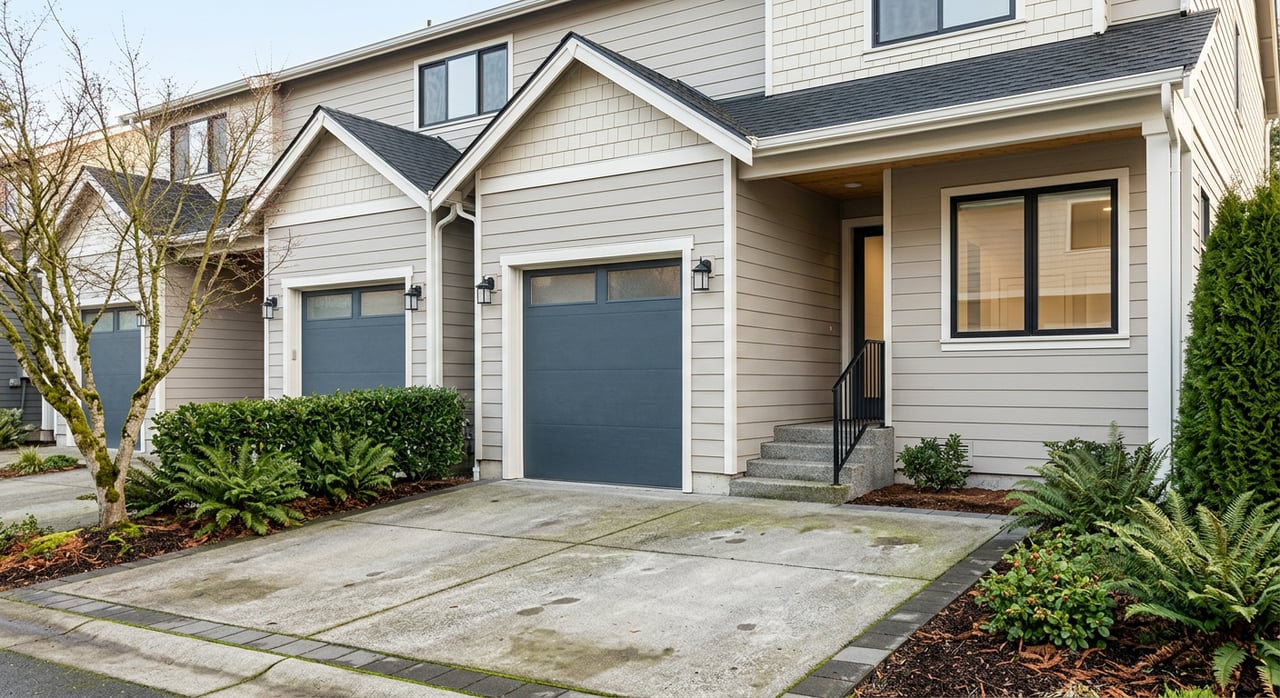
Considering a townhome in Kirkland so you can stay close to the Eastside while skipping big-yard maintenance? You are not alone. Many buyers want space, a garage, and a walkable location without the cost of a standalone house. In this guide, you will learn what Kirkland townhomes typically look like, how HOAs work in Washington, what affects financing and resale, and the exact questions to ask before you write an offer. Let’s dive in.
Who Kirkland townhomes fit
If you want proximity to Kirkland, Bellevue, or Seattle with lower upkeep than a detached home, a townhome can be a great match. Smaller households and working professionals often target Totem Lake, Juanita, and Downtown/Moss Bay for transit, shopping, parks, and community amenities. You will see a wide range of prices by neighborhood and age of construction.
Most Kirkland townhomes fall in the mid-six-figures to low-seven-figures. Newer or downtown and waterfront units often list at 1 million dollars or more. Use live local comps for an exact view by neighborhood and year built.
What a Kirkland townhome looks like
Typical sizes and layouts
Most modern Kirkland townhomes are 2 to 3 stories with 2 to 4 bedrooms. Square footage commonly ranges from about 1,000 to more than 2,500 square feet. Expect an open main level with kitchen, dining, and living areas, bedrooms on the upper levels, and storage or flex space near the entry or garage. Many newer builds add a dedicated office, multiple ensuites, or a rooftop deck.
Parking and storage
Attached garages are the norm. You will see both side-by-side and tandem 2-car garages, plus occasional guest stalls within the community. In new projects, developers often place unit garages at ground level with limited guest parking nearby, as shown in a recent city design review file for a Kirkland townhome community. Review the city’s design memo to understand how projects typically organize garages and guest stalls in Kirkland new construction. You can also confirm how townhouses are treated in permitting on the city’s structure-type guidance. These sources help you understand what is standard for access and parking in local developments.
- See an example of how new townhome projects handle garage and surface parking in a City of Kirkland design review memo: city design review decision memo.
- For permit classification details, see the city’s Structure Type guidance.
Outdoor space and finishes
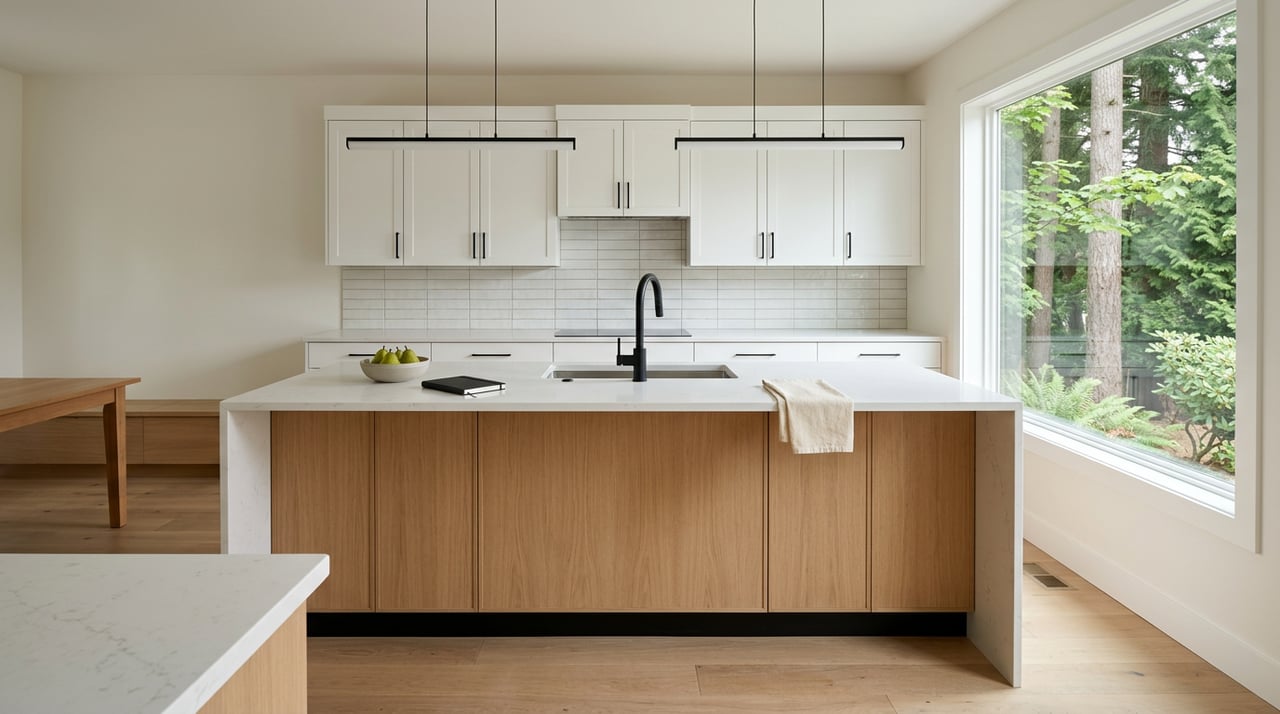
Expect a small patio or balcony. In denser blocks, private yards are limited, so rooftop decks become the main outdoor feature. Interior finishes vary by age. Newer infill often delivers modern kitchens, tall windows, and energy-efficient systems that appeal to buyers who want move-in-ready living.
HOA basics every buyer should check
What dues usually cover
HOA assessments vary. They often include common-area upkeep like landscaping, private roads, and trash. Some communities cover exterior maintenance such as roof, siding, or paint if the association owns the building envelope. Amenities, master insurance for common elements, water or sewer, and snow removal may be included in certain projects. In fee-simple townhomes, the owner may handle more exterior items than in condominium-style projects. Always verify responsibilities in the declaration, bylaws, and rules.
Typical dues range in Kirkland
Dues range widely by size, age, and amenities. Small, low-amenity communities can be under 100 dollars per month. Many townhomes in Kirkland are in the mid-200s to 600s per month, with amenity-rich or luxury projects higher. A higher monthly dues number can be fine if it funds reserves and covers key exterior maintenance. The quality of the budget matters more than the sticker number.
Washington buyer protections and disclosures
Washington’s Uniform Common Interest Ownership Act sets out key protections for buyers in HOAs. The resale certificate is central. It must include the current budget, reserves, assessments, and other disclosures, and it triggers your right to cancel within a short statutory window, typically five days after you first receive it. Reserve studies, reserve accounts, and financial transparency are also addressed in statute. Associations can levy special assessments and may pursue collections under state procedures, so review the financials and meeting minutes closely.
- Read the Washington Uniform Common Interest Ownership Act, RCW 64.90 (current as of March 2026).
- For a practitioner summary of resale-certificate timing and rescission rights, see Washington REALTORS: WUCIOA — What Is It & Why Do I Care?.
Why smart dues can be a good sign
Well-funded reserves and a clear maintenance plan can protect your future costs and preserve resale value. Thin budgets, frequent special assessments, and vague repair plans increase risk. Ask for the latest reserve study, year-to-date financials, and the last 12 to 24 months of meeting minutes to see what is planned and how the board manages the property.
Financing and resale in Kirkland
Why legal structure matters for loans
Townhome is a physical style, not a legal ownership type. Your unit may be fee-simple, a condominium, or part of a planned unit development. Lenders and agencies treat these differently. Project classification affects documentation and eligibility for many loan programs. Some fee-simple townhomes and small projects have simpler paths to financing, while larger condo projects often require project approval and deeper reviews. Confirm your unit’s classification with your agent and lender early. For an overview of how project standards influence mortgages, review this summary of Fannie Mae project standards.
Red flags that shrink the buyer pool
Weak reserves, major special assessments, high owner delinquency, and active litigation can limit financing options. Some lenders label these projects non-warrantable, which can force higher down payments or slow sales. The result is a smaller buyer pool and longer days on market. Learn how project risks can affect financing in this explainer from the Community Associations Institute: How non-warrantable issues restrict lending.
What boosts resale value
In Kirkland, townhomes with private entries, attached garages, good maintenance records, and healthy reserves tend to hold value better. Walkability and commute access help too. Clear HOA documentation, strong financials, and flexible rental policies can widen your future buyer pool.
Quick showing checklist
Use this list during tours to compare homes apples to apples.
- Note the floorplan. How many true bedrooms, and where are they located by level?
- Check ceiling height, natural light, and stair runs for daily comfort.
- Look for private outdoor space, balcony condition, and any rooftop access.
- Confirm garage size and configuration. Side-by-side or tandem? EV charging potential?
- Ask how many guest stalls are on-site and where overflow parking is allowed.
- Inspect exterior materials you can see. Any signs of moisture intrusion or deferred maintenance?
- Test storage. Pantry, coat closet, linen, and garage storage solutions.
- Listen for road or mechanical noise. Stand in bedrooms and on balconies.
- Walk to transit stops, groceries, parks, or cafes to assess daily convenience.
- Review HOA notices on-site if posted, and get the manager’s contact info.
Document review checklist
Request these items right away during your review period. Several are required by Washington statute.
- Statutory resale certificate with budget, assessments, reserves, and key disclosures. Your right to cancel typically runs five days after first delivery under RCW 64.90.
- Declaration, bylaws, rules, architectural guidelines, and all amendments.
- Current operating budget, YTD financials, reserve account bank statement, and the most recent reserve study, noting whether it included a site inspection, as addressed in RCW 64.90.
- Board and membership meeting minutes for the last 12 to 24 months.
- Insurance declaration pages for the master policy, including deductibles and owner HO-6 requirements.
- Delinquency report, collection policy, and any pending or recent litigation. See disclosure requirements in RCW 64.90.
- Confirmation of parking and storage status. Deeded, assigned, or permit only, plus guest and street-parking rules.
- Any special assessments approved or under discussion for the next 12 to 36 months.
- Management details. Volunteer board or professional manager, key vendor contracts, and maintenance schedule.
- Rental policies, including any rental caps or short-term restrictions that could affect future buyer demand.
Selling a Kirkland townhome
Getting market-ready matters. Thoughtful staging, small pre-listing updates, and complete HOA documentation can boost buyer confidence and your net proceeds. Our team pairs design-led staging with a clear checklist so your listing shows beautifully and answers buyer questions before they ask. If you are planning a sale, we can also manage targeted updates through our interest-free concierge program, then market with video-first storytelling for maximum reach.
Ready to compare options or start a focused search in Kirkland? Reach out to the Six Degrees Team for a local strategy session tailored to your goals.
FAQs
What does a Kirkland townhome HOA usually cover?
- Many cover landscaping, private roads, master insurance for common elements, and sometimes exterior maintenance or certain utilities. Always confirm in the governing documents.
How much are typical townhome HOA dues in Kirkland?
- Dues vary by project and amenities. You may see under 100 dollars per month in small communities and mid-200s to 600s per month in many others, with amenity-rich sites higher.
What is Washington’s resale certificate and why does it matter?
- It is a statutory disclosure packet for HOA properties that includes budgets, reserves, and assessments. Delivery usually triggers a five-day buyer rescission window under RCW 64.90.
How does legal structure affect my loan on a townhome?
- Fee-simple, condo, and PUD units are under different lending rules. Project classification can impact eligibility and documentation. See this overview of Fannie Mae project standards.
What HOA issues hurt resale most in Kirkland?
- Low reserves, frequent special assessments, significant delinquencies, or active litigation can limit financing and shrink your buyer pool, which can extend days on market.
Are parking spaces guaranteed with Kirkland townhomes?
- Not always. Some are deeded, others assigned or permit-based. Confirm parking and storage status in your documents and ask about guest and overnight rules with the HOA and city.