Trying to choose between a shiny new build and a well‑kept resale in Sammamish? It is a big decision in one of the Eastside’s most sought‑after areas, and the right answer depends on your priorities for space, finishes, timelines, and long‑term costs. In this guide, you’ll see the real tradeoffs on lot size, customization, inspections, warranties, and HOAs so you can decide with confidence. Let’s dive in.
Sammamish market at a glance
Sammamish spans several micro‑markets, from lakefront luxury to established plateau neighborhoods and pockets of newer subdivisions. Prices and value shift block by block, so you get the best read when you compare homes in the same area and with similar lot types. If you are weighing new vs resale, align your comparisons by neighborhood and proximity to the lake or plateau to see meaningful differences.
Lot size and neighborhood maturity
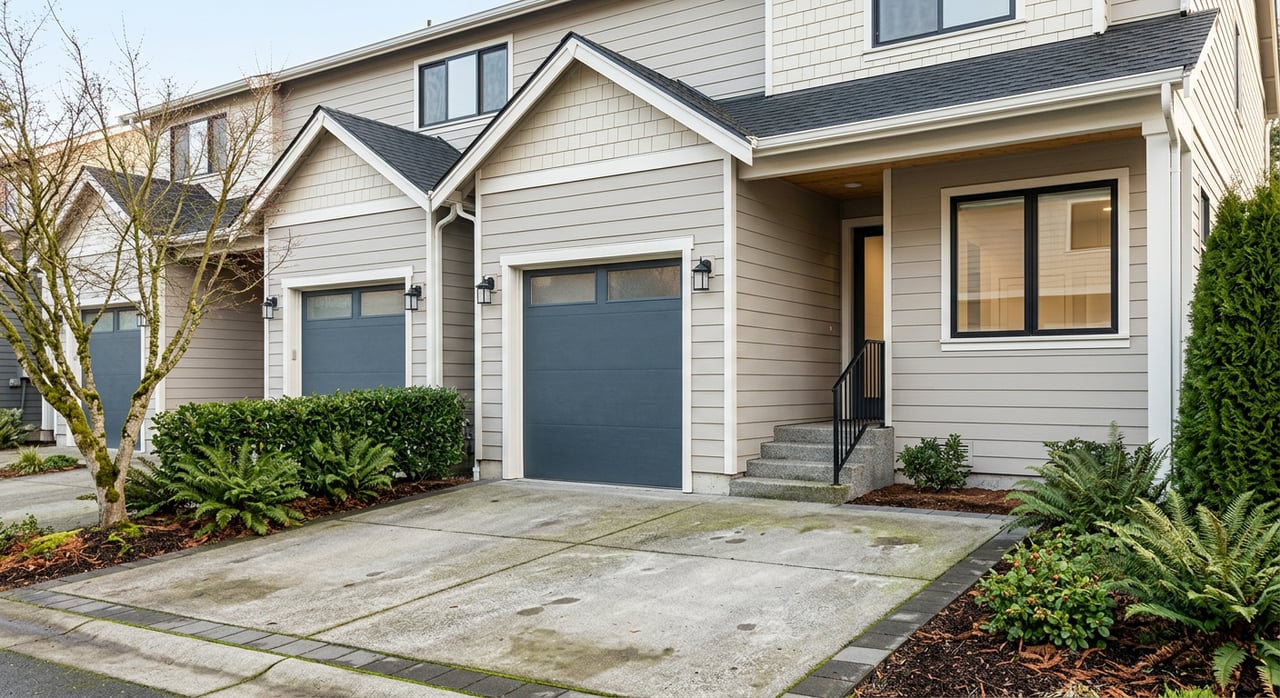
Recent subdivisions around Sammamish often deliver smaller to mid‑sized lots compared with many older neighborhoods. Production and infill communities commonly fall in the roughly 4,000 to 8,000 square‑foot range, while many older resale homes sit on larger parcels, with numerous examples from about 7,000 up to 20,000 square feet or more. Local plat records illustrate how lot sizes vary by zoning and phase within a community. You can see how preliminary plats document average lot sizes in the area by reviewing a King County hearing examiner’s plat file for a Sammamish subdivision. A sample plat report outlines typical lot statistics.
Privacy and curb appeal
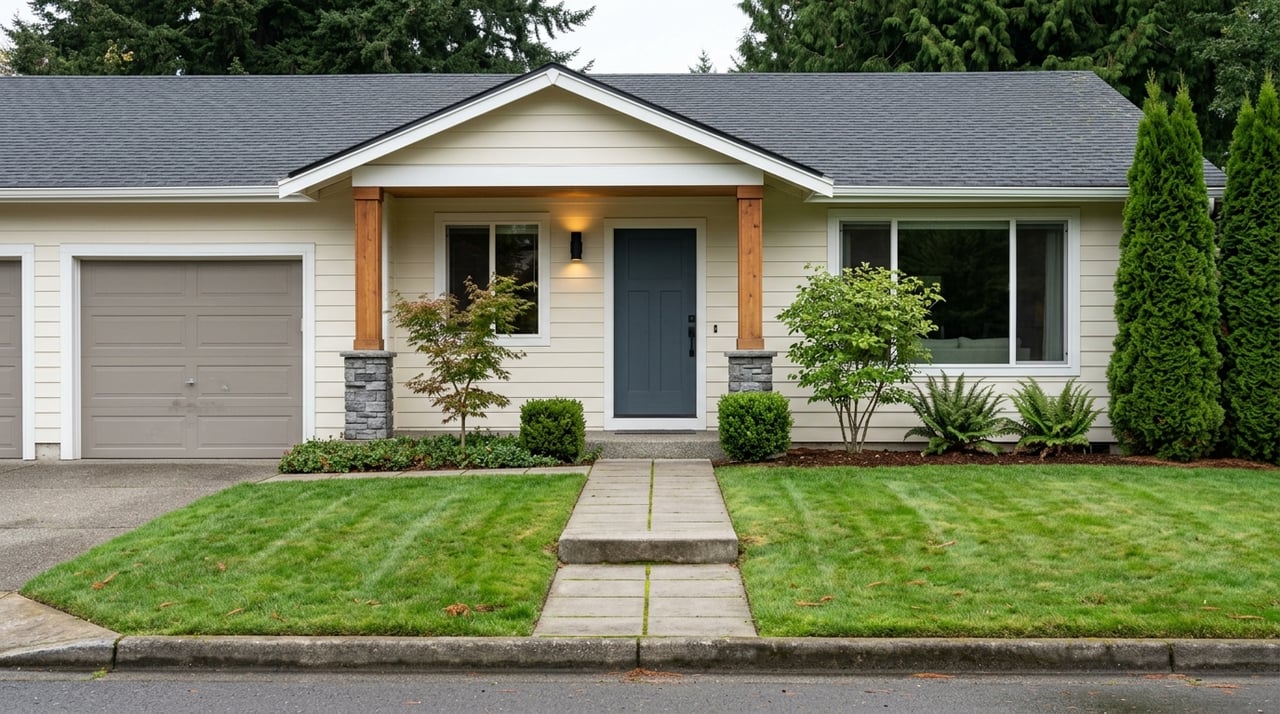
Resale neighborhoods often offer mature trees, established landscaping, and a more private feel. New communities start with new roads and utilities, but yards and street trees take time to fill in. Expect different short‑term curb appeal and privacy levels while new phases build out.
Zoning shapes options
Sammamish uses a development code with residential standards that set density, setbacks, and minimum lot dimensions by zone. These rules largely determine what new subdivisions can deliver and why lot sizes differ across neighborhoods. If you are evaluating a specific community, it helps to understand the local standards in play. You can review the city’s current code framework in the Sammamish development code materials.
Finishes and customization
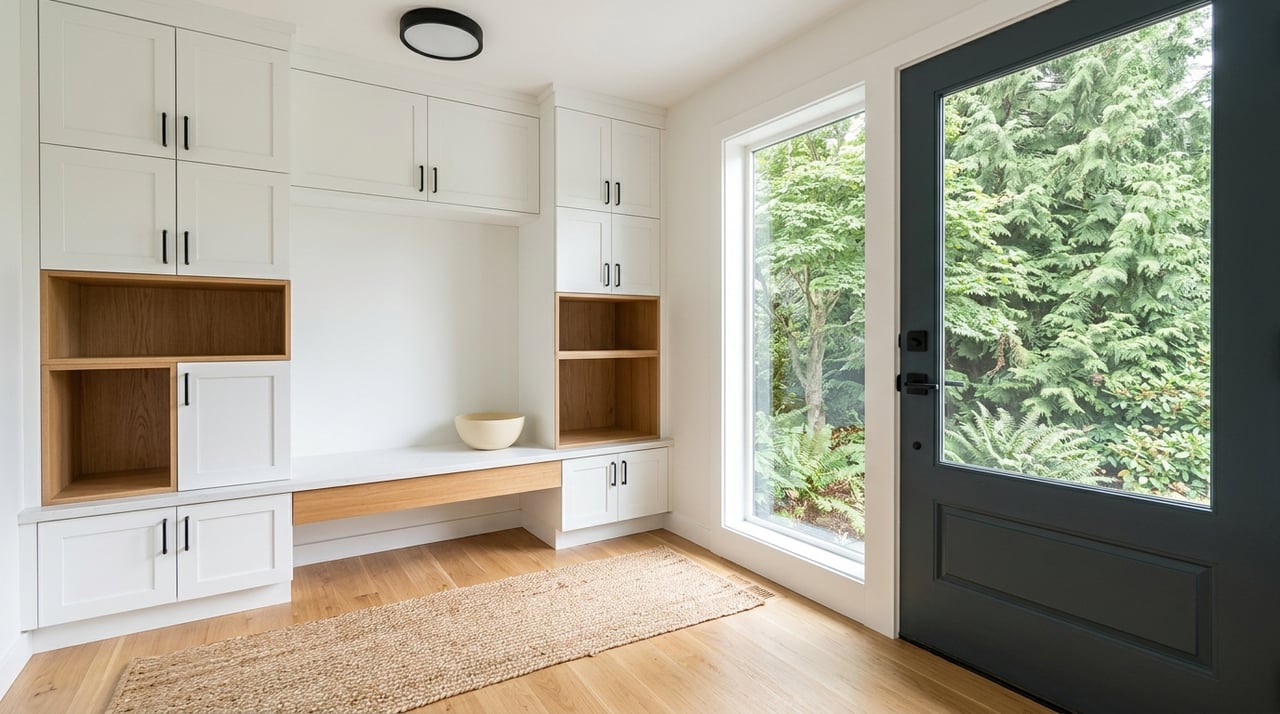
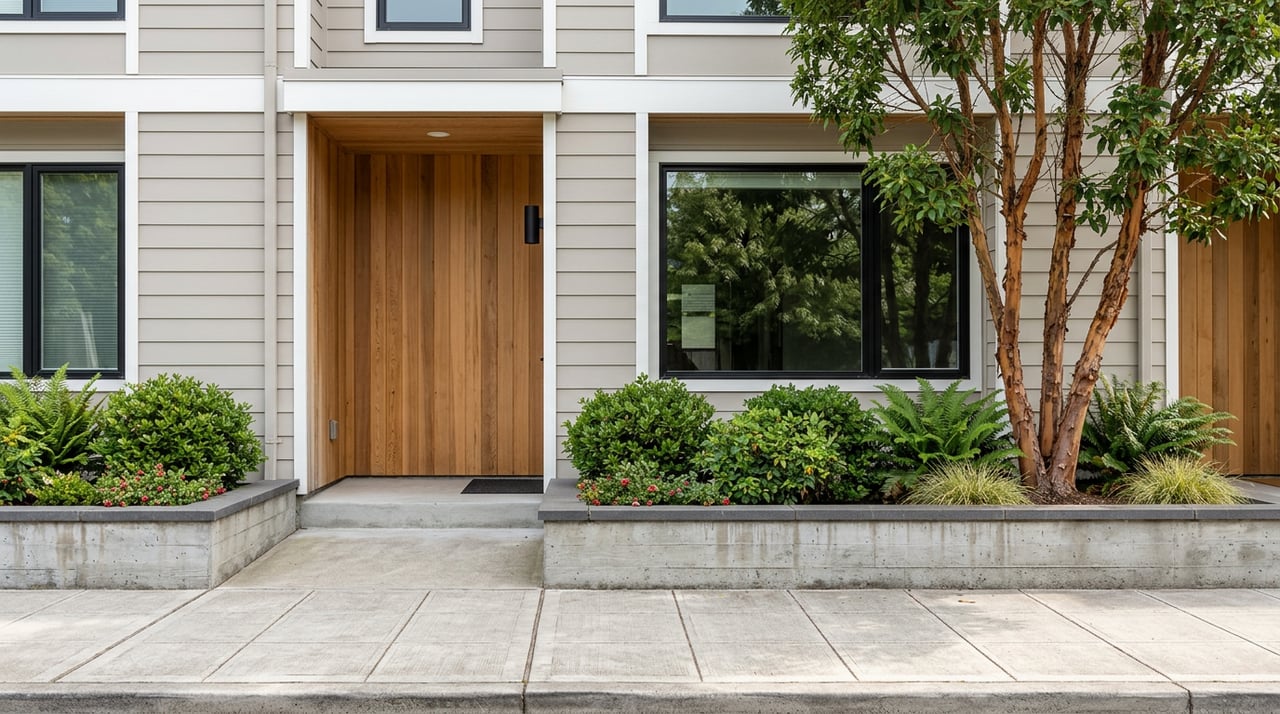
New construction gives you modern layouts and systems, plus the chance to choose finishes. Most builders advertise a base price and then offer paid options, from appliance packages to upgraded surfaces, EV pre‑wire, and energy features. Model homes often show many upgrades that are not standard. Ask for the full inclusions list and option pricing for your specific lot and plan. You can see how a regional builder presents plans and inclusions in a Sammamish context by reviewing Century Communities’ community announcement.
With resale, you buy the existing look and mechanical systems. That can mean saving on upfront design costs, but you may face near‑term projects like roof, windows, HVAC, or water heater.
Appraisal and lending
If you select a high‑premium lot and add many paid options, the appraisal can lag behind your total contract price, especially early in a phase with few comparable sales. Ask the builder for recent closings on the same plan and lot series to help your lender support value. The same builder resource above is a good example of how plans and phases are documented.
Timelines, inspections, and contracts
Build timelines vary by plan and phase, but national data shows the construction portion for many single‑family homes typically runs several months from start to completion. Production homes that are already underway or finished “specs” can close faster, while custom builds tend to take longer. For context, see the U.S. Census Bureau’s summary of new‑home characteristics and completion timelines in the Survey of Construction.
Sammamish requires staged inspections and will not issue a certificate of occupancy until final approvals are complete. If you go under contract before completion, confirm your access for independent inspections, how final walkthroughs are handled, and what happens if milestones slip. You can learn more about local inspection and occupancy practices in a city building‑division briefing document.
Independent inspections are worth it on new builds. Many buyers choose phased checks at pre‑drywall and again at final, followed by an 11‑month warranty inspection to catch items before workmanship coverage expires. For an overview of inspection stages and costs, see this guide to home inspection types and pricing.
Warranties and long‑term risk
Most large builders offer limited warranties that resemble a 1‑2‑10 structure: one year on workmanship, two on systems, and up to ten on major structural elements. Terms vary, so ask for the full document and the claims process in writing. A quick primer on how these warranties are commonly framed appears in this builder warranty overview.
Resale homes can carry more near‑term maintenance risk if key components are older. Budget for ongoing upkeep and potential capital items. Industry resources that track homeowner spending suggest setting aside funds annually for routine maintenance and repairs; here is a practical discussion of how owners plan for those costs in a maintenance and repairs guide.
HOAs and recurring costs
Many new subdivisions include homeowners associations that maintain common areas, parks, or landscaping. Dues vary by community and product type. Whether you buy new or resale, review the CC&Rs, budgets, reserve study, and rules before you commit. Strong governance and adequate reserves matter for both lifestyle and long‑term costs.
Schools, commute, and daily rhythm
Sammamish is served by the Lake Washington School District. Always confirm current school assignments and program offerings directly with the district. Commutes to Bellevue and Redmond can change a lot by time of day. If a specific drive matters to you, test it during your typical hours before you write your offer.
Buyer checklist: new vs resale
Use this short list to focus your search and protect your budget.
- Compare apples to apples. Pick two or three resale comps and two or three new builds in the same sub‑area. Align on lot size, usable yard, and recent sales nearby.
- For new construction, get it in writing. Ask for base price inclusions, upgrade menus with itemized costs, the exact lot premium, estimated completion date, and remedies for missed milestones. Review recent closings for the same plan and lot series. A builder announcement is a good example of how plans and upgrades are presented in our area. See this Sammamish model home release.
- Lock down contract protections. Add independent inspection rights at pre‑drywall and final, require a written punch‑list process with timelines, and obtain the full warranty document. Learn the local inspection and occupancy steps in the city’s building‑division overview and plan your own inspector access. Inspection timing and costs are outlined in this inspection guide.
- For resale due diligence. Order a comprehensive home inspection and get written estimates for any near‑term capital items. Pay special attention to roof age, HVAC, water heater, windows, and drainage or grading on sloped lots.
- Plan for financing and appraisal. If you are using FHA or VA financing on a new build, confirm any warranty or inspection requirements early. Review what lenders may require in this FHA policy reference.
- Post‑closing plan. Schedule an 11‑month warranty walkthrough on a new home so punch‑list items fall within typical workmanship coverage. Here is a quick explainer on 11‑month warranty inspections.
New vs resale: which fits you?
Choose a new home if you want modern systems, personalization, and predictable short‑term maintenance backed by a builder warranty. Just build in time for selections, inspections, and possible appraisal limits if options outpace comps. A resale may be the better move if you value larger lots, mature surroundings, and faster closings, and you are comfortable budgeting for updates.
If you want a calm, data‑driven plan to compare real homes in the same Sammamish micro‑market, we are here to help. From video previews to thoughtful negotiation and full escrow coordination, the Six Degrees Team will guide you through the tradeoffs and get you to a confident yes.
FAQs
How long does new construction take in Sammamish?
- Build times vary by plan and phase, but national Survey of Construction data shows the construction portion often runs several months; always ask the builder for average days to close for your specific plan and phase, and see the U.S. Census Bureau’s overview for context.
Do I need an inspection on a new build?
- Yes; request phased inspections at pre‑drywall and final, then plan an 11‑month warranty inspection to catch items before workmanship coverage expires, using this inspection guide for timing and cost basics.
What warranties do new homes usually include?
- Many builders offer limited 1‑2‑10 coverage (one year workmanship, two years systems, up to ten years structural); ask for the full document and claims process, and review a builder warranty overview.
How do lot sizes compare new vs resale in Sammamish?
- Newer subdivisions often deliver roughly 4,000 to 8,000 square‑foot lots, while many older neighborhoods feature larger parcels; local plat records, like this King County plat example, show how sizes vary by zone and phase.
What contract terms should I confirm with a builder?
- Get inspection access, a written punch‑list process, the full warranty, inclusions, option pricing, lot premium, estimated completion date, and remedies for missed milestones; verify any lender requirements, such as those described in this FHA policy reference.
Are HOA fees common in new communities?
- Many new subdivisions include HOAs for common‑area maintenance and amenities; dues vary, so review the CC&Rs, budgets, and reserves closely to understand services, rules, and long‑term costs before you buy.