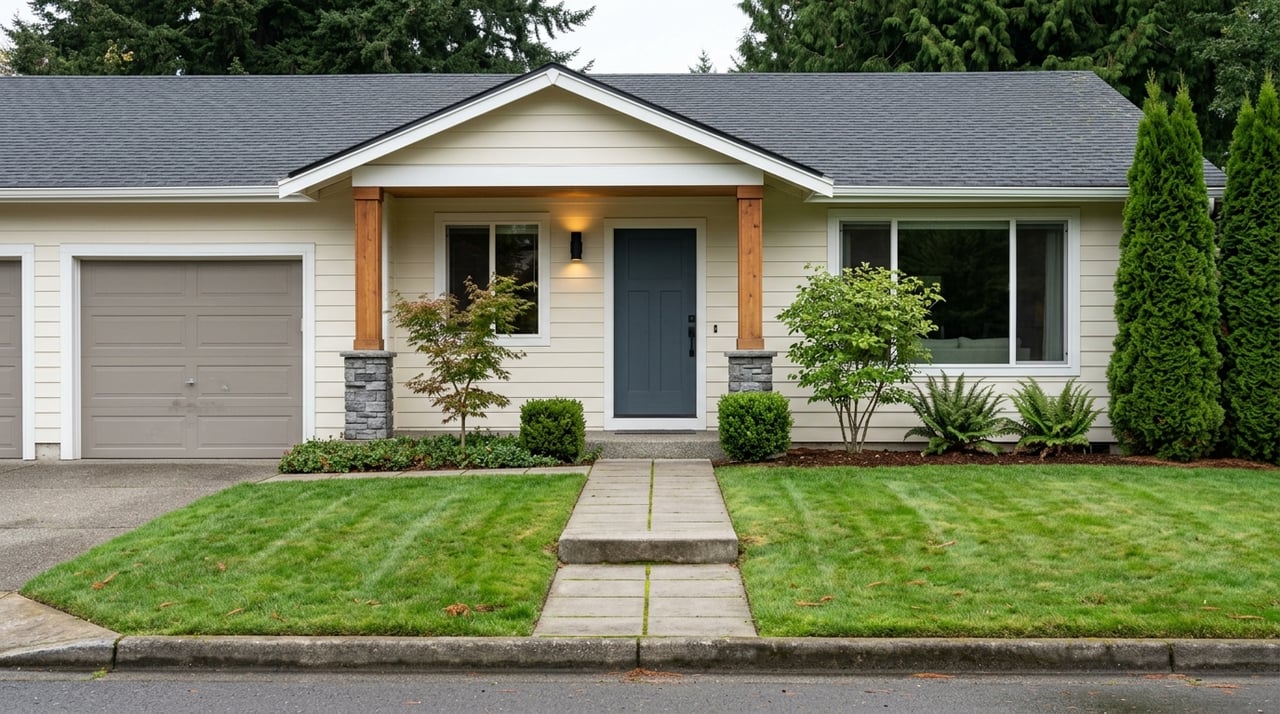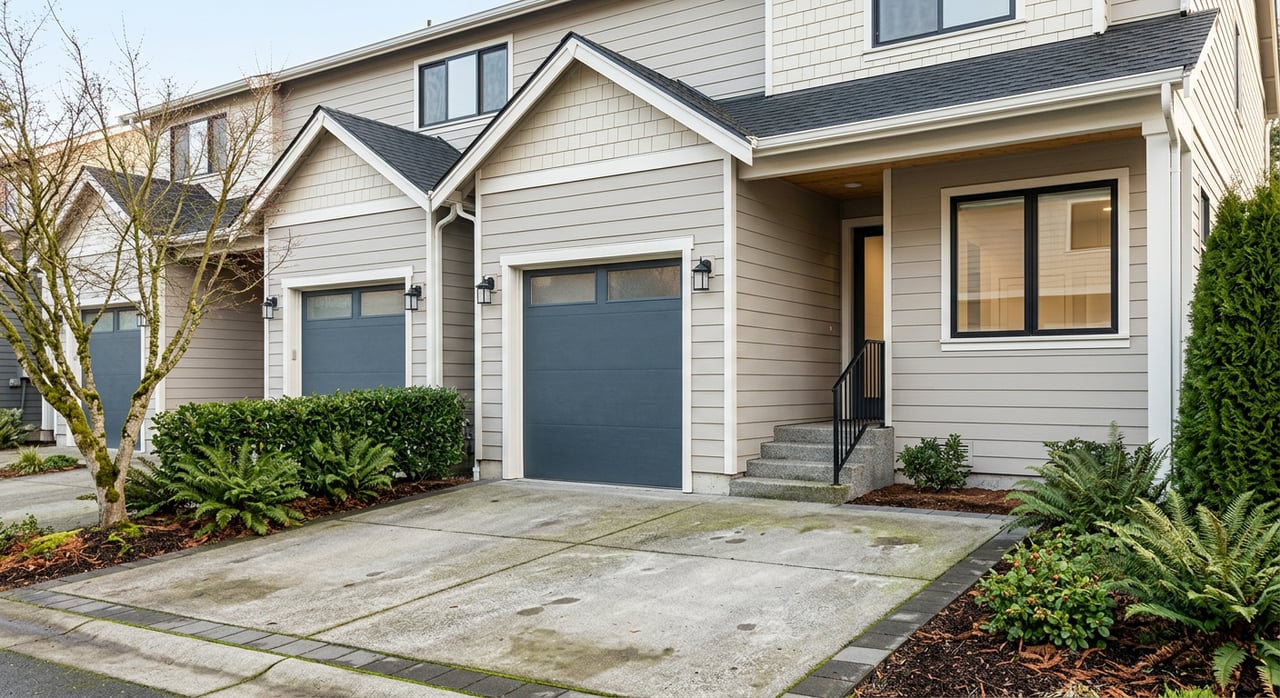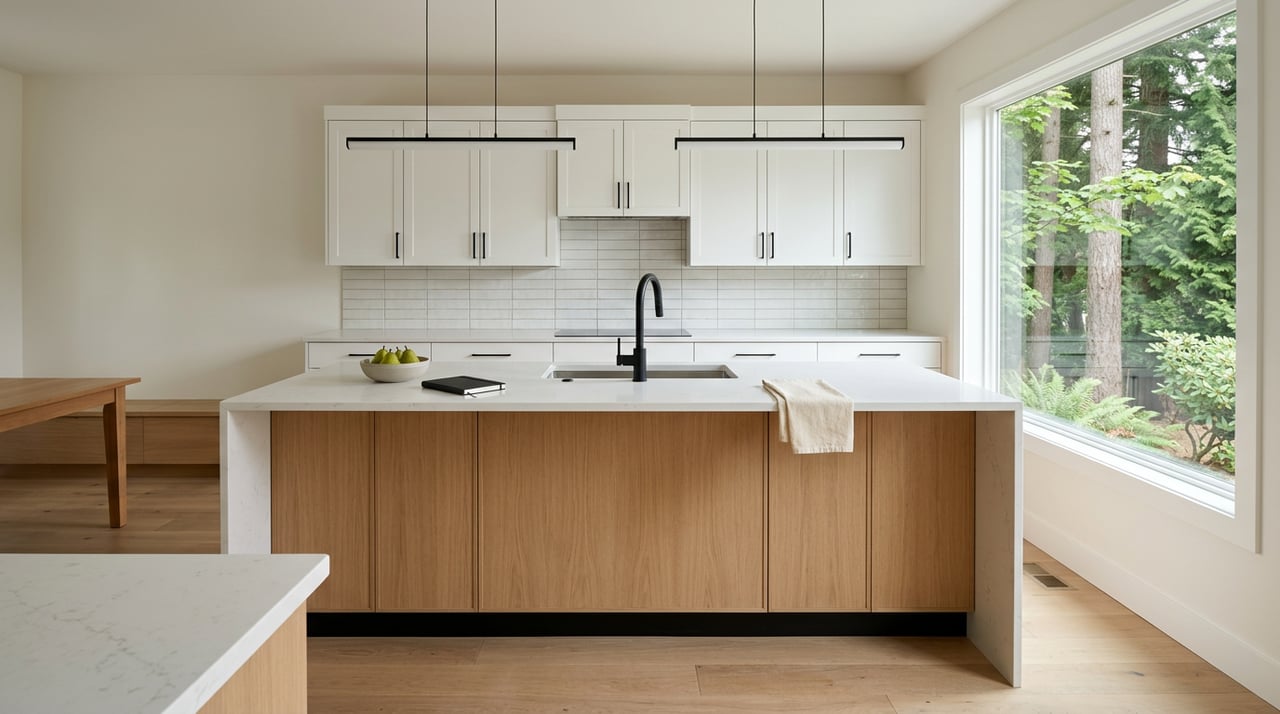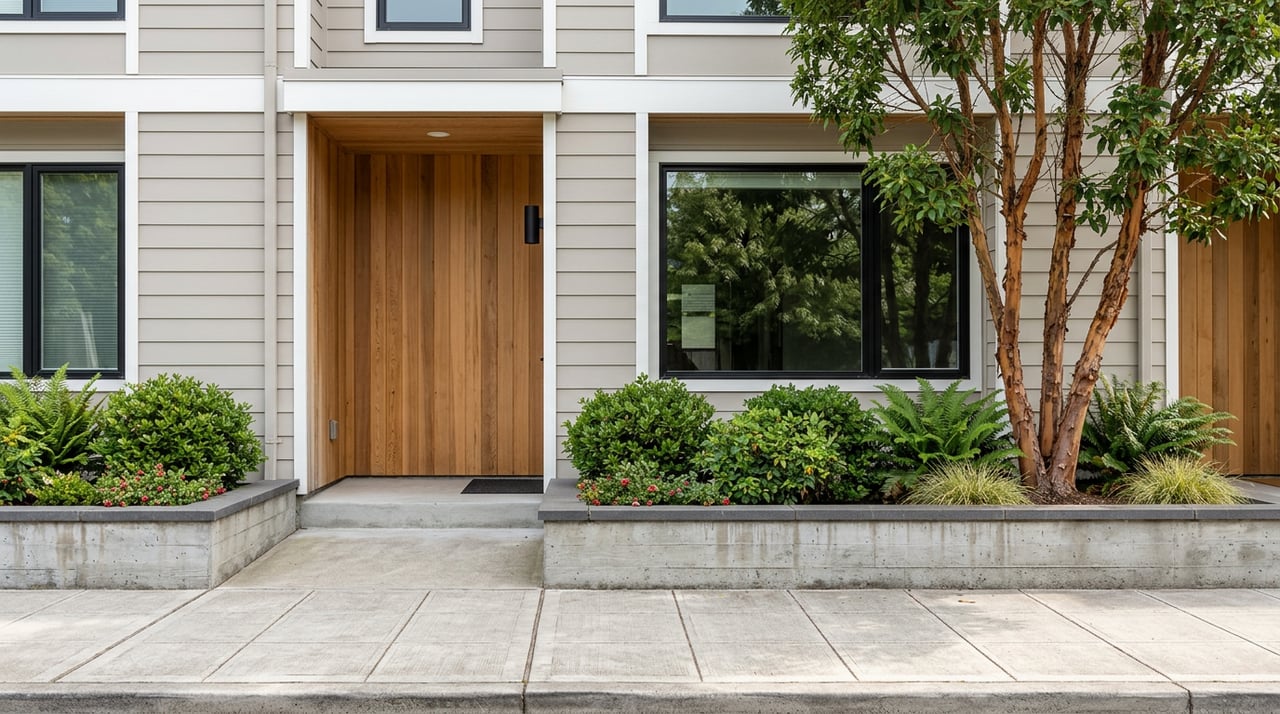
Feeling torn between the home where so much life happened and the idea of something simpler? If you are downsizing in Lynnwood, that mix of relief, stress, and uncertainty is completely normal. The good news is that with a clear plan, you can protect your equity, reduce overwhelm, and move into your next chapter with more confidence. Let’s dive in.
Why downsizing in Lynnwood is timely
Downsizing is not just a housing decision. It is often a lifestyle decision tied to budget, maintenance, mobility, and how you want to live day to day.
In Lynnwood, that conversation is especially relevant. The U.S. Census Bureau reports an estimated population of 41,597 as of July 2024, with 16.7% of residents age 65 or older. The city is also slightly majority owner-occupied at 51.1%, which means many households may be weighing whether a longtime home still fits their needs.
Housing values also shape the decision. Census data shows a median owner-occupied home value of $686,900 in Lynnwood, with median monthly owner costs of $2,644 with a mortgage and $843 without one. For many homeowners, downsizing can be a way to simplify expenses, reduce upkeep, or unlock equity for the next stage of life.
Lynnwood’s market pace matters too. According to Redfin’s Lynnwood housing market data, the median sale price was $750,000 in February 2026, homes received about 2 offers on average, and the median time on market was 17 days. In a market that moves this quickly, it helps to plan your next step before your current home hits the market.
Start before it feels urgent
One of the biggest mistakes people make is waiting until the move feels forced by a deadline. That is when every decision feels heavier.
AARP’s downsizing guidance suggests that transitions usually go more smoothly when you treat the move as a conscious choice and give yourself enough time. That matters in a family home, where nearly every room may carry memories, paperwork, and years of accumulated belongings.
If you are only beginning to think about downsizing, start now with a simple goal: create space to make decisions calmly. You do not need to solve everything in one weekend. You just need to begin.
Expect the emotional side
Downsizing is often described as practical, but it is also deeply personal. AARP notes that the process can bring sadness, grief, or anxiety because it may feel like life is contracting rather than expanding.
That does not mean you are making the wrong choice. It usually means the home has mattered to you. Giving yourself room to acknowledge that can make the process easier, especially if adult children or other family members are involved in the conversation.
A helpful mindset is to focus less on what you are losing and more on what you are making possible. A smaller home can mean less maintenance, fewer stairs, lower monthly costs, or easier access to the places and people that matter most.
How to begin decluttering
If the thought of sorting an entire house feels exhausting, use a smaller and more structured approach. AARP’s decluttering advice recommends starting with a mindset shift and then working in very small daily increments, even just 10 minutes a day.
It also recommends starting in the least emotional room first. That might be a guest room, hallway closet, laundry area, or bathroom cabinet. Beginning with easier spaces helps you build momentum before tackling family photos, keepsakes, or inherited items.
Use the Keep/Trash/Donate method
AARP recommends pulling items out and sorting them into simple categories:
- Keep
- Trash
- Donate
The key is to decide what you actually use, need, or find meaningful now. That is especially important in long-held homes, where memorabilia and paper records can slow everything down.
Remove donation piles quickly
One reason decluttering stalls is that the “to go” piles never leave the house. AARP advises moving donated or discarded items out quickly so they do not drift back into storage.
It also cautions against buying bins and labels before you reduce what you own. In other words, organizing is not the same thing as downsizing. The first job is editing.
Focus your home prep on the basics
When it is time to sell, many homeowners wonder if they need a major remodel. In most cases, the best first steps are simpler and more cost-effective.
The National Association of Realtors 2025 staging report found that the most common seller recommendations were decluttering the home at 91%, cleaning the entire home at 88%, and improving curb appeal at 77%. Those basics still carry the most weight.
For many Lynnwood sellers, the smart sequence looks like this:
- Declutter
- Deep clean
- Address visible repair issues
- Improve curb appeal
- Stage key rooms if needed
That order helps you avoid overspending before the most visible improvements are in place.
Which rooms matter most?
NAR found that the living room, primary bedroom, and kitchen are the rooms most often staged. These are the spaces where buyers tend to focus first, so they deserve the most attention.
The same report found that 29% of agents saw a 1% to 10% increase in the dollar value offered when a home was staged, and 49% observed faster sales. It also reported a median staging service cost of $1,500.
That does not mean every home needs full-service staging. It does mean that presentation matters, especially in a competitive Lynnwood market where buyers may make decisions quickly.
Build a budget for the move after the sale
A common downsizing mistake is focusing only on sale proceeds and forgetting the cost of what comes next. Your budget needs to cover both sides of the move.
The Consumer Financial Protection Bureau advises keeping money available for moving costs, renovations, furnishings, and an emergency cushion of three to six months of expenses. It also notes that typical closing costs on a home purchase run 2% to 5% of the purchase price, depending on the loan, property type, and location.
Budget items to plan for
As you map out your next chapter, keep these categories in mind:
- Moving costs
- Temporary storage
- Cleaning and haul-away services
- Pre-sale repairs or staging
- Furnishings for a smaller space
- Purchase closing costs
- Emergency cash reserves
This is one reason downsizing works best when it is treated as a full project, not just a listing date.
Consider how Lynnwood fits your next phase
For some homeowners, downsizing means leaving the area. For others, it means staying close to routines, family, and familiar services while moving into a more manageable home.
Lynnwood now has stronger regional transit access than it did just a few years ago. Sound Transit’s Lynnwood Link extension opened on August 30, 2024, including Lynnwood City Center Station and connecting Snohomish County to the regional Link network.
That added access may make a smaller, more connected home feel like an even better fit for some households. If proximity to transit, services, or everyday convenience matters to you, this is worth factoring into your plan.
Remember that moving is not the only option
Downsizing can be a great solution, but it is not the only one. Some homeowners decide that staying put with added support is a better fit.
Snohomish County Aging & Disability Services offers programs that support aging in place, including case management, chore services, nutrition programs, respite care, and MAC/TSOA supports. If your main concern is home maintenance or daily logistics, exploring these resources may help you decide whether to move now, later, or not at all.
This is an important part of a good rightsizing conversation. The best plan is the one that fits your life, not the one that feels most common.
Local resources for Lynnwood households
If the process feels overwhelming, you do not have to figure everything out on your own. Lynnwood-area households have access to several public resources that can help with information and support.
Snohomish County Senior Information & Assistance serves as a local gateway for older adults and families. The county says it maintains a database of more than 1,100 services and benefits, and residents can call 800-422-2024 for help finding programs and support.
The county also notes that multilingual outreach is available in Chinese, Korean, and Tagalog, along with an AT&T language line for many other limited-English speakers. That can be especially helpful when a move involves multiple family decision-makers.
For community connection, the Lynnwood Senior Center offers classes, wellness activities, trips, games, presentations, and discussion groups. If your goal is to stay in Lynnwood while simplifying your housing, that kind of local connection may matter just as much as square footage.
A practical downsizing plan
If you want to move from uncertainty to action, keep your plan simple. Focus on one phase at a time.
Step 1: Decide what you want next
Think about your ideal daily life, not just the number of bedrooms. Consider maintenance, layout, monthly costs, access to transit, and whether staying near Lynnwood services matters to you.
Step 2: Start decluttering early
Begin with one low-emotion space and work in short sessions. Use the Keep/Trash/Donate method and move outgoing items out quickly.
Step 3: Understand your home’s market position
In a fast-moving market, pricing and preparation need to work together. Review local timing, likely buyer expectations, and what level of prep makes sense for your property.
Step 4: Prioritize visible improvements
Put your energy into decluttering, cleaning, curb appeal, and high-impact rooms. Save major renovation decisions for projects with a clear purpose.
Step 5: Build your full move budget
Account for moving, storage, purchase costs, and emergency reserves. A smoother transition usually comes from planning the next home with just as much care as the sale.
Step 6: Use local support when needed
If family logistics, services, or aging-in-place questions are part of the picture, connect with county and city resources early.
Downsizing is rarely just about having less. It is about making room for a home and a routine that fit the way you want to live now. If you are weighing a move in Lynnwood and want guidance on timing, preparation, staging, or sale strategy, the Six Degrees Team can help you plan a thoughtful next step with clarity and care.
FAQs
When should you start downsizing in Lynnwood?
- It is usually best to start before the move feels urgent. AARP recommends beginning early, making small daily progress, and giving yourself enough time to make decisions without deadline pressure.
What should you declutter first when leaving a family home?
- Start with the least emotional room, such as a guest room, closet, or laundry area. AARP recommends using Keep, Trash, and Donate piles after pulling items out and deciding what you truly use, need, or want to keep.
What home prep matters most before selling in Lynnwood?
- The basics matter most: decluttering, cleaning, improving curb appeal, and focusing on key spaces like the living room, primary bedroom, and kitchen. NAR’s staging report shows these are the most common and effective seller-prep steps.
What should you budget for when downsizing to another home?
- Plan for moving costs, storage, pre-sale prep, furnishings, purchase closing costs, and an emergency cushion. The CFPB says purchase closing costs often range from 2% to 5% of the home price and recommends keeping three to six months of expenses in reserve.
Where can Lynnwood residents find local downsizing support?
- Lynnwood-area residents can start with Snohomish County Senior Information & Assistance, county aging-services programs, and the Lynnwood Senior Center for guidance, service referrals, and community activities.
Is downsizing the only option for older homeowners in Lynnwood?
- No. Some homeowners choose to remain in place with support. Snohomish County offers programs such as case management, chore services, nutrition programs, respite care, and other aging-in-place resources that may help you stay in your current home.