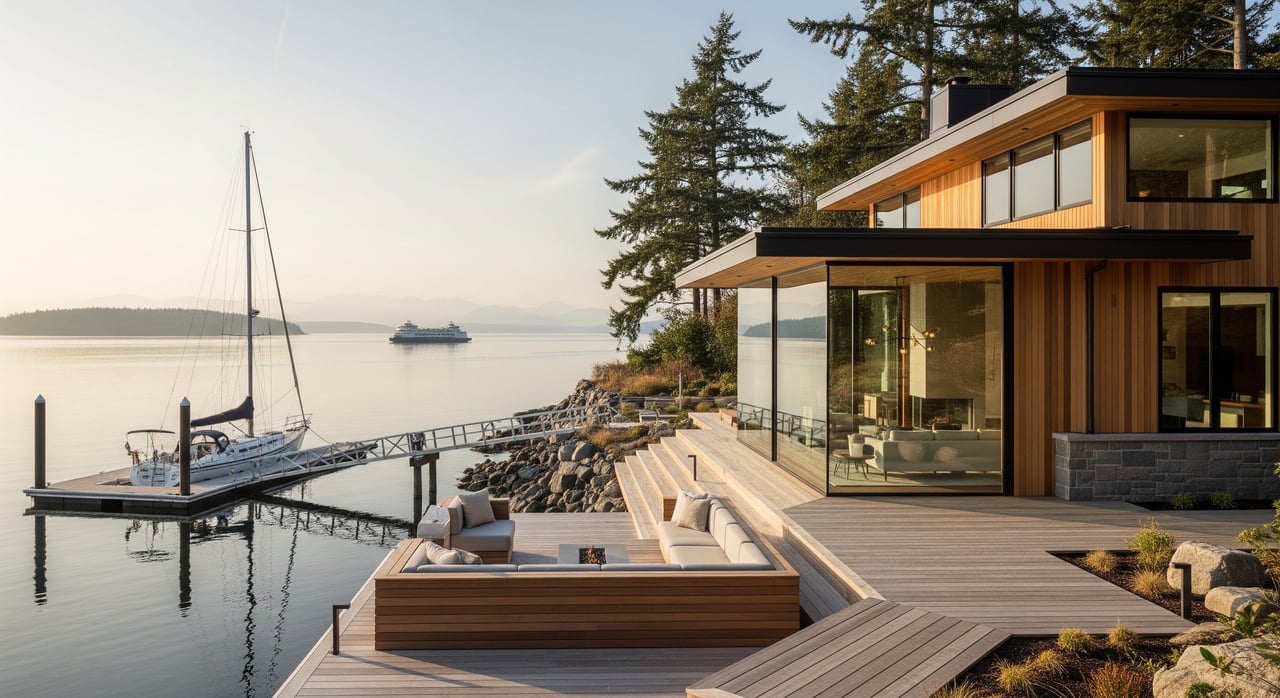
Imagine waking up to ferries crossing Possession Sound, seabirds overhead, and the lighthouse just down the beach. If you are drawn to Mukilteo’s shoreline, you are not alone. Waterfront living is special, but it comes with unique access, costs, and rules. This guide gives you clear answers on daily life, permits, insurance, and smart prep so you can move forward with confidence. Let’s dive in.
Waterfront types in Mukilteo
Mukilteo sits on central Puget Sound, where you find a mix of property types along the shore. Options range from single-family lots with beach or bulkhead frontage to upland homes with big water views, plus a few multifamily or condo buildings that trade direct beach access for views. Public spaces like Mukilteo Lighthouse Park and the ferry terminal shape the shoreline experience for many residents.
It is important to confirm if a home is legally waterfront or simply a water-view property. Waterfront implies some form of shoreline title or access, which can affect taxes, insurance, and maintenance. The presence of a private dock or moorage also changes lifestyle and cost considerations.
Access and recreation
Public parks and beaches
Mukilteo’s shoreline offers everyday recreation, from beach walks to tidepool exploration. The city maintains public access points and shoreline parks. You can explore amenities and planning updates on the City of Mukilteo site.
Boating and moorage
If you plan to launch kayaks or small boats, review regional ramps listed by the Washington Department of Fish and Wildlife. For larger vessels and marina services, nearby regional options include the Port of Everett, which offers moorage and marine businesses.
Tides and seasons
Tide height changes access, beach width, and boating plans. Before heading out, check local water levels and tide tables through NOAA Tides & Currents. Seasonal fog, storms, and boat traffic can affect visibility and quiet, so plan for variability throughout the year.
Transportation and commute
Ferry options
Mukilteo is the mainland terminal for the Mukilteo–Clinton route. Schedules, capacity, and service notices are managed by Washington State Ferries. If you live near the terminal, expect periods of traffic during loading and unloading, plus localized noise.
Driving and local noise
Many residents commute by car using I-5 and regional highways or match park-and-ride with transit. An active rail corridor runs along sections of the shoreline, creating intermittent train noise. Some areas also experience aviation noise from Paine Field depending on location and flight paths.
Costs to expect
Price premium and taxes
Waterfront and view homes typically sell at a premium compared with similar inland properties. The size of that premium varies by lot type, access, and view quality. Property taxes are set by the county and local districts; you can find assessment and levy information through Snohomish County.
Insurance basics
Standard homeowners policies usually exclude flooding. If a home lies in a FEMA Special Flood Hazard Area and you use a regulated lender, flood insurance is typically required. Use the FEMA Flood Map Service Center to check flood zones. Many waterfront owners also consider earthquake coverage and review wind and storm coverage with their insurer.
Maintenance and moorage
Shoreline structures like bulkheads and seawalls require periodic inspection and upkeep; repair or replacement can be significant line items. Docks and private moorage, when present, add ongoing costs, inspection needs, and often separate leases or permits. Sloped or erosive sites may require extra landscaping, drainage, and stormwater maintenance.
Permits and rules
Mukilteo waterfront projects sit within Washington’s Shoreline Management Act framework. Local Shoreline Master Programs regulate what can be built or repaired along the water, supported by state guidance from the Washington Department of Ecology.
Typical approvals
Common approvals include local shoreline and substantial development permits through the city. In-water or nearshore work that may affect fish or water typically requires a Hydraulic Project Approval from the Washington Department of Fish and Wildlife. If your plans involve state-owned aquatic lands, you may need a lease or authorization from the Washington Department of Natural Resources. Complex projects often benefit from an early pre-application meeting with the city or county.
Habitat protections and tidelands
Eelgrass beds, forage fish spawning areas, and salmon habitat receive strong protections. Proposals that would harm these resources are frequently conditioned or denied, and mitigation may be required. Washington’s public trust doctrine means the state manages many intertidal areas, so private upland ownership does not always include exclusive control of tidelands.
Climate and sea level rise
Puget Sound communities are planning for sea level rise, increased storm surge, and coastal erosion. Expect these considerations to inform future shoreline permits and allowable development. When evaluating a property, factor in potential long-term resilience and adaptation needs.
Daily life realities
You will likely share the shoreline with wildlife. Seabirds, seals, and seasonal marine life are part of daily scenery, and environmental rules help protect these habitats. Public beach access points and parks can bring foot traffic near some properties, especially in good weather.
Noise near the ferry terminal and rail corridor can be noticeable at times. Tides, winds, and winter storms may shape your maintenance schedule and when you enjoy outdoor areas. Many owners invest in sturdy materials, thoughtful landscaping, and sound strategies to reduce maintenance and manage the elements.
Buyer due diligence checklist
- Confirm legal status: Review the deed, plat, and title report to verify waterfront vs. view lot, shoreline rights, and any access easements.
- Check flood risk: Look up the flood zone at the FEMA Flood Map Service Center and consider elevation certificates where available.
- Inspect shoreline structures: Engage a marine contractor or qualified inspector to evaluate bulkheads, seawalls, revetments, foundations, and docks.
- Verify permits and leases: Request copies of city/county permits, WDFW HPA approvals, and any DNR aquatic lands leases tied to docks or overwater structures.
- Review utilities: Confirm sewer or septic status and obtain recent service records if onsite systems are present.
- Understand noise and traffic: Visit at different times to gauge proximity effects from the ferry terminal, rail corridor, and arterial roads.
- Plan future projects: Before budgeting for a dock or shore protection, review the Ecology shoreline program and consult the city on current SMP rules.
Seller prep checklist
- Gather records: Compile permits, repair invoices, and maintenance history for bulkheads, docks, drainage, and any shoreline work.
- Disclose known issues: Provide details of flooding, erosion, emergency repairs, or enforcement actions to avoid surprises during escrow.
- Pre-list inspections: Consider a bulkhead or dock evaluation and address priority repairs to support pricing and negotiations.
- Confirm taxes and assessments: Review assessed value and prior tax bills through Snohomish County to help buyers understand carrying costs.
- Clarify leases and approvals: Organize any moorage agreements, WDFW HPA permits, or DNR aquatic lands documents and how they transfer.
- Present the property well: For coastal wear and tear, small improvements and thoughtful staging can maximize appeal. A clear, design-forward plan helps buyers see potential.
Smart ways to enjoy the shore
- Use tide data: Check NOAA Tides & Currents before beach days and boat outings.
- Launch and moorage: Identify suitable ramps through WDFW’s boat launch directory and explore regional options like the Port of Everett for moorage.
- Stay current on city updates: Follow shoreline and park information on the City of Mukilteo site.
- Health advisories: Before harvesting shellfish, review current state guidance on safety and seasonal closures.
When you are ready to explore your options, you deserve clear guidance and a calm, step-by-step plan. Whether you are buying for the first time on the Sound or preparing a shoreline home for market, we can help you evaluate risk, navigate permits, and present your property with confidence. Connect with the Six Degrees Team to talk strategy, staging and renovation options, and your next step.
FAQs
What counts as Mukilteo waterfront property?
- A true waterfront property typically includes shoreline title or deeded access, while a water-view home offers views without direct beach or tideland access; confirm via the deed, plat, and title report.
Do you need flood insurance on Mukilteo waterfront?
- If the home lies in a FEMA Special Flood Hazard Area and you use a regulated lender, flood insurance is usually required; check your flood zone at the FEMA Flood Map Service Center.
How noisy is it near the ferry or rail line?
- Areas near the Mukilteo ferry terminal can see traffic and loading noise, and the shoreline rail corridor brings intermittent train sounds; visit at several times to gauge everyday noise levels.
Can you build a new dock on Puget Sound in Mukilteo?
- New docks and overwater structures face strict review and may require local shoreline permits, a WDFW HPA, and potentially a DNR aquatic lands lease; feasibility depends on site conditions and habitat constraints.
How do tides affect daily access and boating?
- Tides influence beach width, launch conditions, and clearance for overwater structures; plan outings using local tide data from NOAA Tides & Currents.