Imagine stepping onto a wooded trail just minutes after you pour your morning coffee. In Issaquah, with the Issaquah Alps rising to the east, that is a normal day for many residents. You want fresh air and forest views without sacrificing commute access or a lively town center. In this guide, you will learn how the Alps shape daily life, where to hike, what to expect in town, and how to find or sell a home near the foothills. Let’s dive in.
Issaquah Alps at a glance
The Issaquah Alps is the local name for the cluster of forested foothills that frame Issaquah on the western slope of the Cascades. The group includes Cougar Mountain, Squak Mountain, Tiger Mountain, and the Alder and Sierra ridges. Their close proximity to neighborhoods is a big reason Issaquah is known as an outdoors‑oriented Eastside community.
The land is a patchwork managed by several groups. King County Parks oversees Cougar Mountain Regional Wildland Park, and Washington’s Department of Natural Resources manages Tiger Mountain State Forest. The City of Issaquah stewards local parks and trail links, and the Washington Department of Fish and Wildlife operates the Issaquah Salmon Hatchery. Local nonprofits and volunteers, including trail clubs, help maintain routes and host work parties.
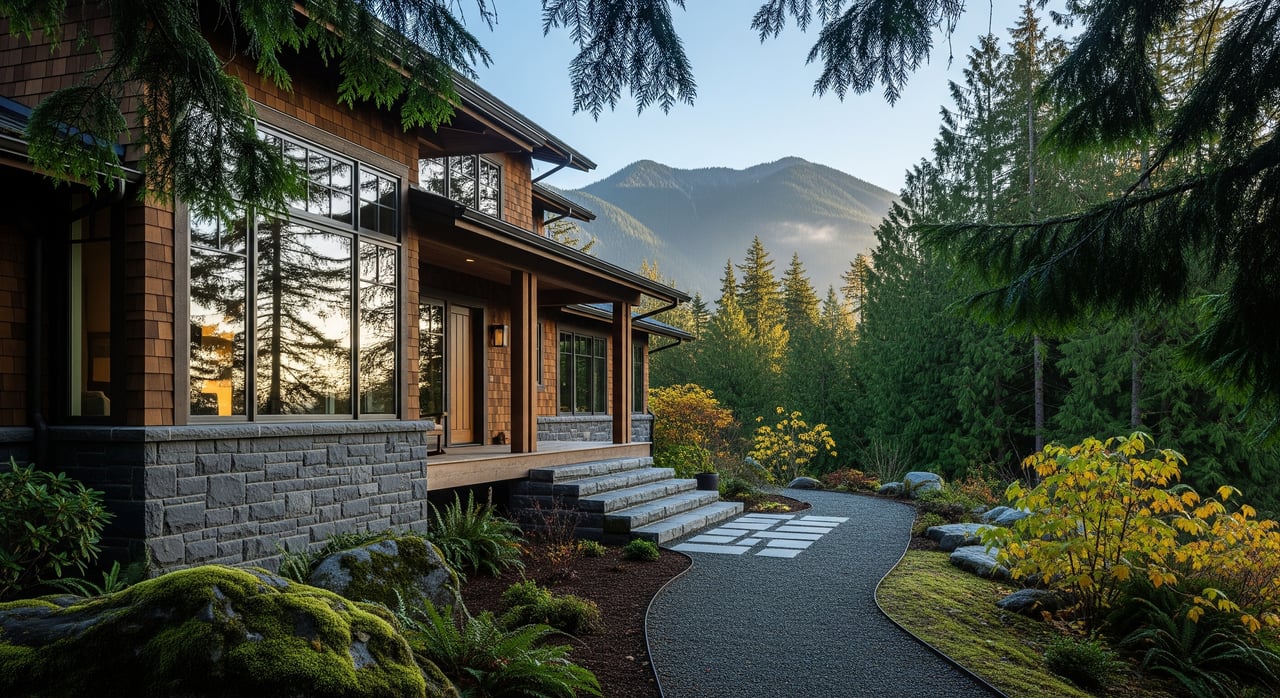
Forests here mix conifers and deciduous trees like Douglas fir, western red cedar, hemlock, and bigleaf maple. You may see deer, coyotes, raccoons, and occasionally black bears. Winter brings wet, muddy conditions and icy patches at higher elevations. Late spring through early fall is prime hiking season, while summer drought years can raise wildfire concern and lead to temporary closures.
Trails you can reach fast
Signature destinations
- Cougar Mountain Regional Wildland Park offers a large network for hiking and running, with many access points near neighborhoods.
- Tiger Mountain State Forest is known for steeper ridge hikes and a broad trail system used by hikers, trail runners, and mountain bikers.
- Squak Mountain Park provides strong local options with fewer steep summits and good access from downtown.
- Poo Poo Point on West Tiger’s ridgeline is a popular paragliding launch and a view hike over the Sammamish Valley and Lake Washington.
- Smaller ridge routes and connectors, including Grand Ridge, link short neighborhood loops to multi‑hour ridge experiences.
Access and crowd patterns
You will find everything from 1 to 2 mile neighborhood loops to strenuous summit climbs and longer multi‑trail circuits. There are options for casual walkers as well as technical terrain for experienced hikers and riders. Some trails are hiking‑only, while others allow mountain biking or equestrian use, so check current guidance before you go.
Trailheads are busiest on weekends and pleasant weekdays. Popular lots can fill early, and some neighborhood access points are small and intended for local foot traffic. Plan for early starts or off‑peak visits when you want a quieter outing.
Safety and stewardship
- Watch for mud, roots, and seasonal ice. Weather can shift quickly at ridge elevations.
- During dry summers, check for fire danger ratings and possible closures.
- Give wildlife space, leash dogs where required, and pack out all trash.
- Join a volunteer work party with local groups to support trail maintenance.
- The Issaquah Salmon Hatchery and downtown viewing platforms offer seasonal salmon runs and environmental education.
Daily life in town
Downtown Issaquah vibe
Downtown Issaquah has a compact historic core with restaurants, cafes, galleries, and independent shops. Streets are walkable and sit close to lower elevation trail access. Seasonal events, including the Salmon Days festival, add a strong community feel.
Parks, schools, and healthcare
City parks, the Issaquah Community Center, and municipal trails connect many neighborhoods to commercial areas and nearby open space. The Issaquah School District serves the city and is commonly cited by residents as a key factor in their home search. You will find clinics and local medical facilities in town, with broader hospital and specialty care available in Bellevue and Seattle.
Shopping and commute
You can cover daily needs at nearby shopping centers and regional retailers, with additional neighborhood services in Issaquah Highlands. For travel, Interstate 90 is the main east‑west corridor to Bellevue and Seattle, and State Route 900 supports local circulation. King County Metro and regional Sound Transit provide bus connections. Many residents commute to job centers in Bellevue, Redmond, and Seattle, so it helps to test your route during peak hours.
Homes near the foothills
Housing types and lot patterns
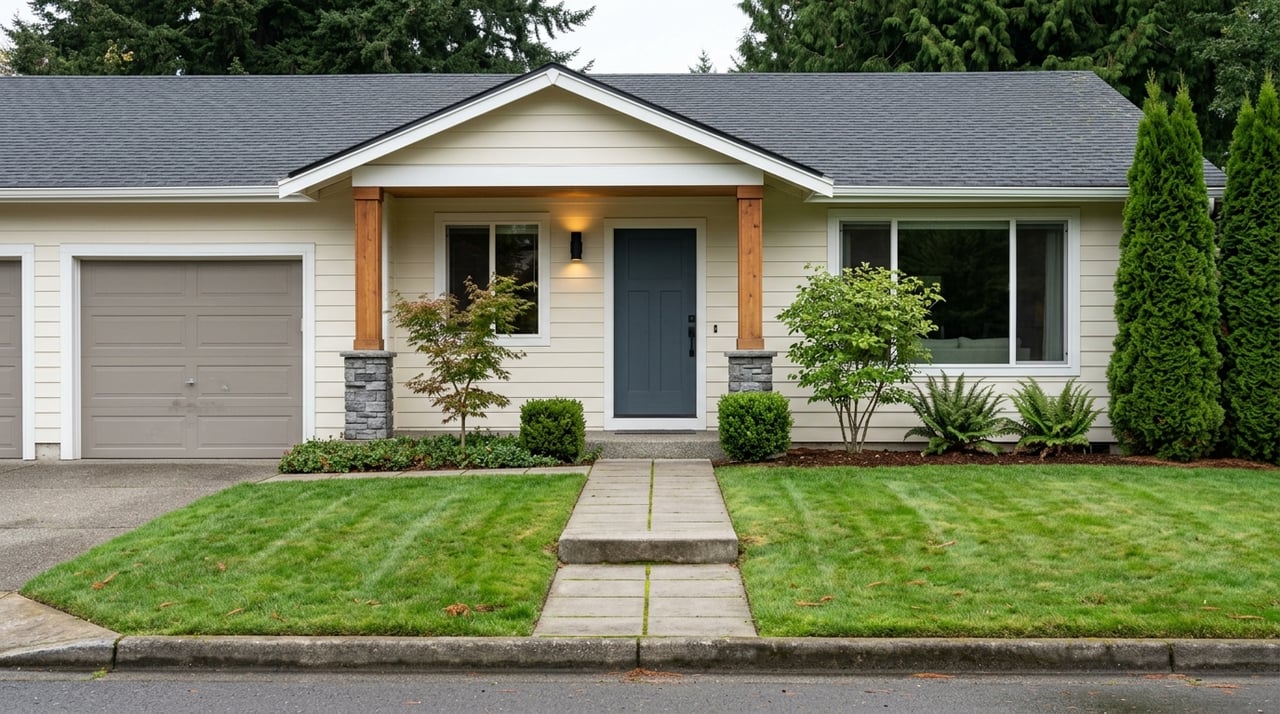
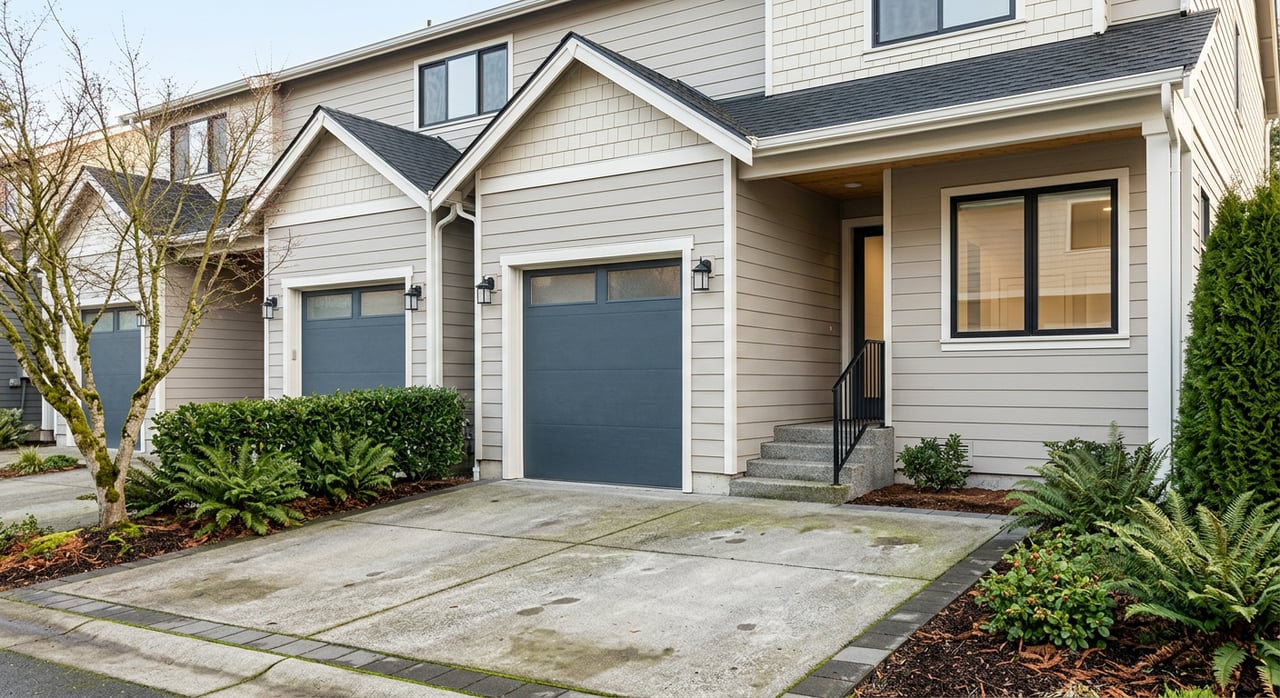
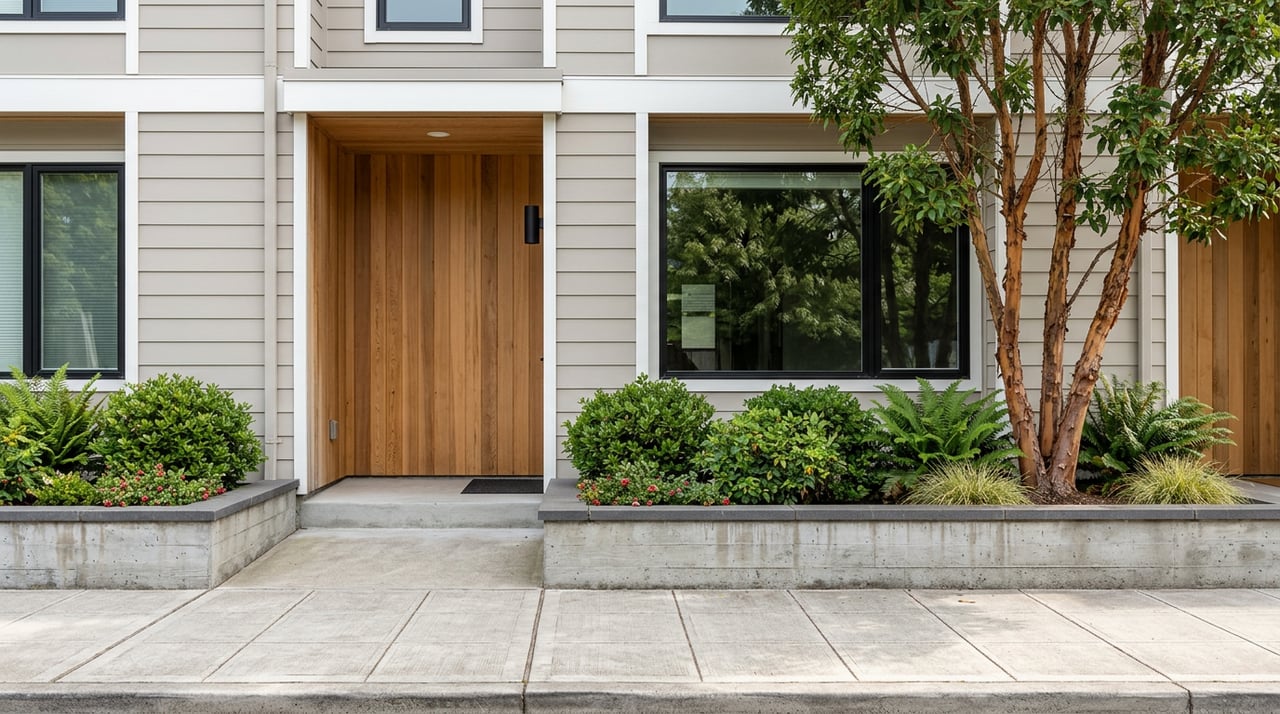
Close to the Alps you will see a mix of older single‑family homes in established downtown‑adjacent areas, suburban developments from the 1990s and 2000s, and newer single‑family homes and townhomes in planned communities. Condominiums and townhomes cluster near downtown and transit corridors for easier maintenance and walkability. Lot sizes range from compact urban lots and townhome footprints to larger wooded or ravine lots in outer foothill neighborhoods.
Neighborhoods to know
- Issaquah Highlands: A master‑planned, higher‑density neighborhood with integrated parks, trails, and street‑level retail.
- Klahanie and Grand Ridge areas: Suburban settings with neighborhood parks and trail connections, offering both single‑family homes and townhomes.
- Foothill neighborhoods by Cougar, Squak, and Tiger: Varied single‑family homes with direct trail proximity, wooded yards, and some view potential.
- Downtown Issaquah neighborhoods: Older homes and condos within walking distance to shops, restaurants, parks, and lower‑elevation trailheads.
What buyers often ask
- How close are trails to homes? Many neighborhoods have trailheads or connector paths within walking distance, with proximity strongest in foothill areas and Issaquah Highlands.
- Are trailheads crowded, and where do I park? Popular lots often fill early on weekends and holidays. Some local access points are small and best for nearby residents on foot.
- Which homes offer the best access? Foothill single‑family homes often provide the shortest walk to higher trails. Condos and townhomes near downtown or in Issaquah Highlands balance outdoor access with lower maintenance and retail convenience.
- Should I worry about wildfire risk? Dry summers can elevate risk regionally. Ask about defensible space, HOA vegetation rules, and local fire department recommendations.
- How does this affect my commute? Living near the foothills may add a short walk or drive to trailheads but can place you a few minutes from or farther from arterials, depending on the street grid. Traffic on I‑90 and I‑405 can impact timing, so test your commute.
- What ongoing costs or rules should I plan for? HOA fees where applicable, vegetation management, erosion control, and sometimes higher insurance on steep or densely wooded lots. Use inspectors who understand hillside properties.
Buyer tips for foothill living
- Tour homes at different times to gauge trailhead use, street parking, and traffic flow.
- Ask for drainage, slope, and erosion reports. Confirm recent maintenance on gutters, downspouts, and retaining systems.
- Review HOA documents for exterior rules, vegetation guidelines, and any trail easements or access restrictions.
- Walk to the nearest trail connection from the property to assess distance, grade, and lighting.
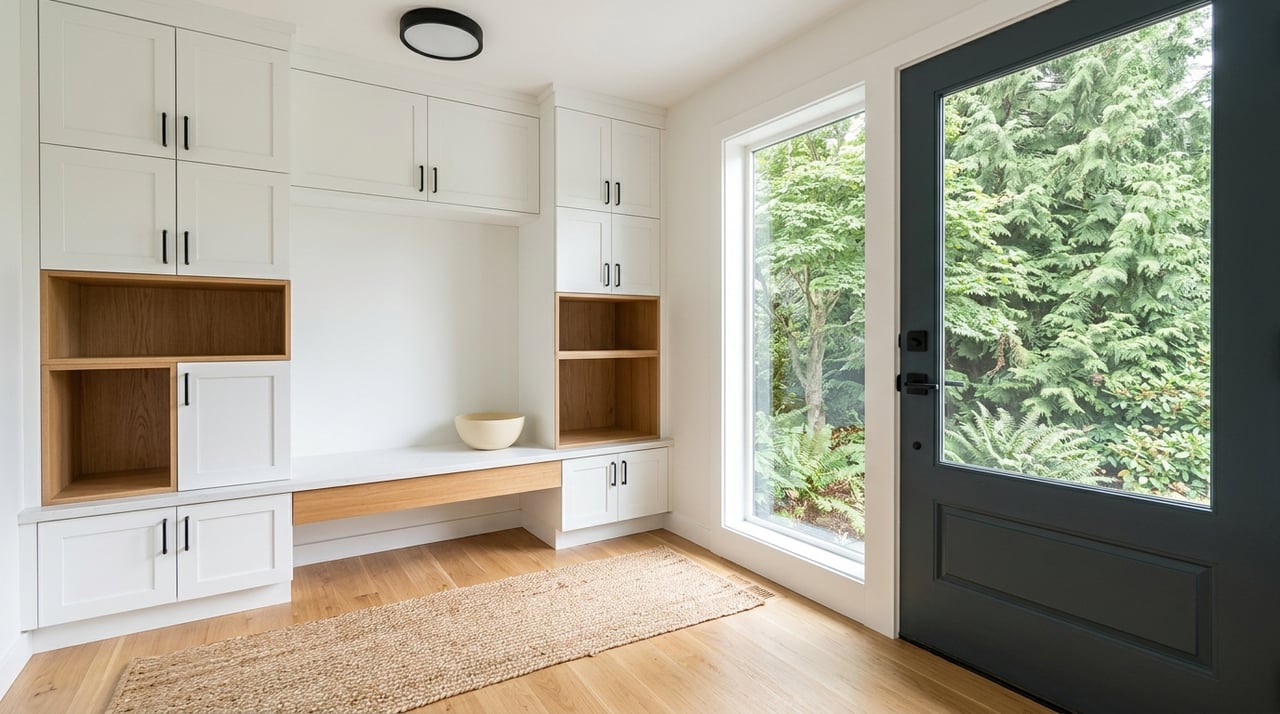
- Plan for secure storage for bikes, strollers, and trail gear. Check garage clearance and mudroom potential.
- Verify whether nearby trails are multi‑use or hiking‑only if biking or equestrian access matters to you.
Selling a home by the Alps
Homes that pair trail access, maintained views, and downtown convenience tend to attract strong interest. Buyers value clear trail connections, well‑kept outdoor spaces, and easy gear storage. Lean into features that highlight light, greenery, and indoor‑outdoor flow.
To prepare your property, focus on practical items first. Maintain drainage around foundations, manage trees and brush, and refresh exterior lighting on paths and entries. Clarify parking rules and any HOA guidance, and disclose known access details for nearby trailheads. Thoughtful presentation helps buyers picture daily life here.
- Exterior refresh: repair decking and rails, clean roofs and gutters, and update house numbers and path lights.
- Landscape tune‑up: thin brush, define paths, and create a simple, low‑maintenance look.
- Gear‑ready spaces: add hooks, benches, and shelving in the garage or entry for packs and bikes.
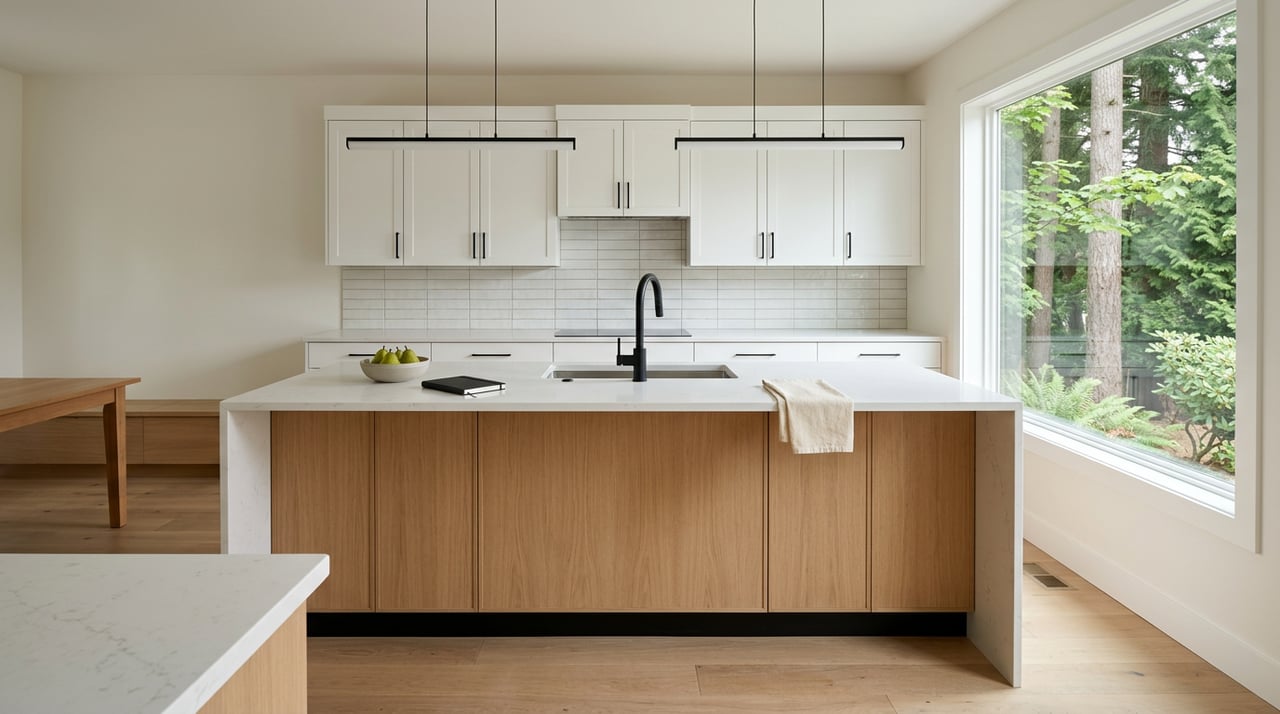
- Staging that echoes nature: light walls, natural textures, and clear window lines to frame the trees.
If you want a turnkey plan, the Six Degrees Team offers design‑led staging, pre‑listing renovation project management, and an interest‑free concierge program that fronts improvement costs. The team also uses video‑first buyer marketing to showcase trail access and lifestyle highlights, while managing the entire transaction process from valuation through escrow.
Is Issaquah right for you?
If you want weekday trail walks, a lively small‑city core, and flexible home choices, Issaquah delivers a rare balance of outdoors and access. The Alps make it easy to reset in nature, and I‑90 keeps regional connections within reach. With the right strategy, you can buy confidently or prepare your foothill home to shine. When you are ready, we can help you compare neighborhoods, plan improvements, and make a clean move.
Ready to explore homes or talk through a pre‑listing plan? Connect with the Six Degrees Team to schedule a free consultation and home valuation.
FAQs
How close are Issaquah neighborhoods to Issaquah Alps trailheads?
- Many areas have trailheads or connector paths within walking distance, with the shortest access typically in foothill neighborhoods and Issaquah Highlands.
What is parking like at Cougar, Squak, and Tiger trailheads?
- Popular lots often fill early on weekends and holidays, and some neighborhood access points are small and best for local foot traffic.
Are Issaquah trails open to mountain biking or horses?
- Some routes are multi‑use for mountain biking and equestrian use, while others are hiking‑only, so check current guidance before visiting.
What should buyers know about wildfire risk near forested slopes?
- Risk increases during dry summers, so ask about defensible space, HOA vegetation rules, and local fire department recommendations.
How does living near the foothills impact commutes to Bellevue or Seattle?
- You are near I‑90, but peak traffic on I‑90 and I‑405 can affect times, so test your route during commute hours.
Which Issaquah home types balance trail access with low maintenance?
- Condos and townhomes near downtown or in Issaquah Highlands offer strong access with simpler upkeep compared to larger single‑family lots.
What HOA rules might affect homes close to trails?
- HOAs may regulate exterior changes, vegetation management, parking, and any trail easements or access from private streets, so review documents early.