Thinking about selling in Lynnwood and wondering which projects will actually move the needle on price and days on market? You are not alone. With buyers eyeing commute access, Sound Transit expansion, and amenities across the Seattle–Bellevue–Everett corridor, targeted pre-sale updates can pay off when they fit the neighborhood and timing. In this guide, you will get a clear room-by-room plan, how to right-size your budget, what needs a permit, and ways to leverage energy rebates. Let’s dive in.
How ROI really works in Lynnwood
Your return depends on your neighborhood’s price ceiling and how your home compares to similar recent sales. A thoughtful plan uses a comparative market analysis, or CMA, to pinpoint where updates can lift value without over-improving for the block. In hotter markets, buyers pay up for fresh kitchens, baths, and curb appeal. In slower cycles, move-in-ready condition becomes even more important.
Local buyers often prefer open-feeling main floors, updated kitchens and primary baths, reliable systems, energy efficiency, and usable outdoor space. First-time buyers and busy households also value low-maintenance finishes and consistent flooring. Keep those preferences in mind as you choose your scope.
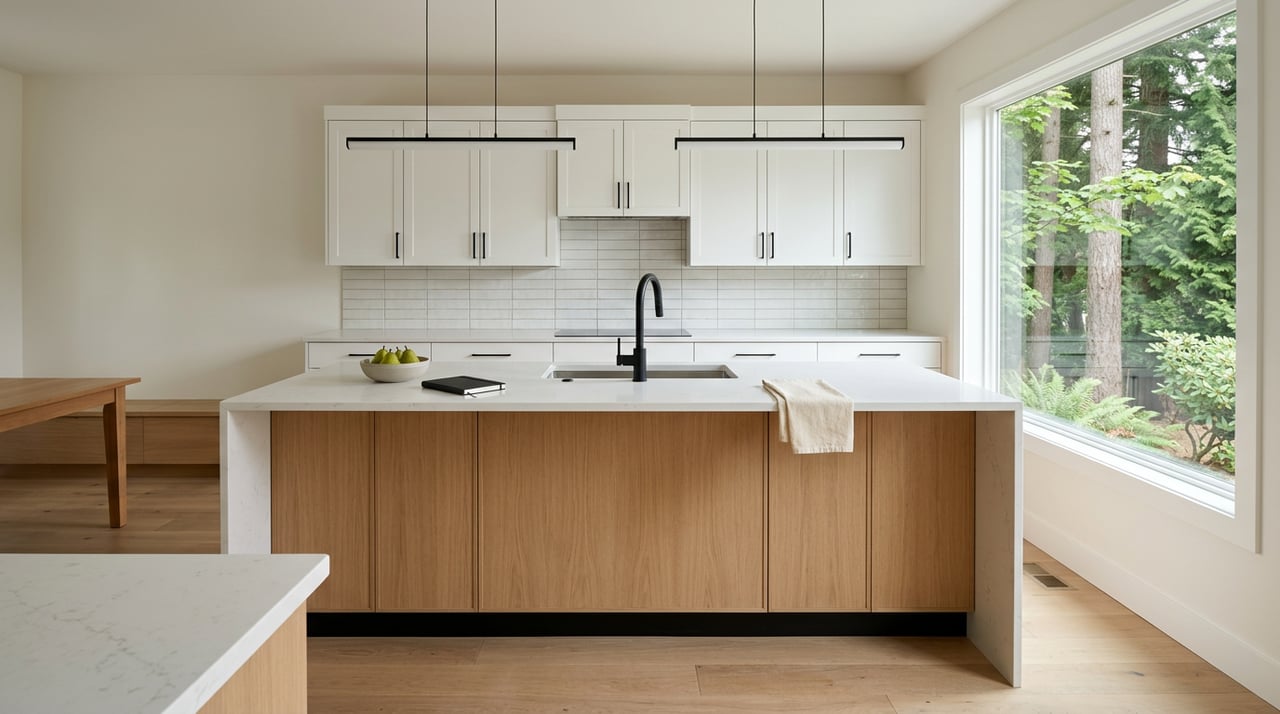
Kitchen: your biggest lever
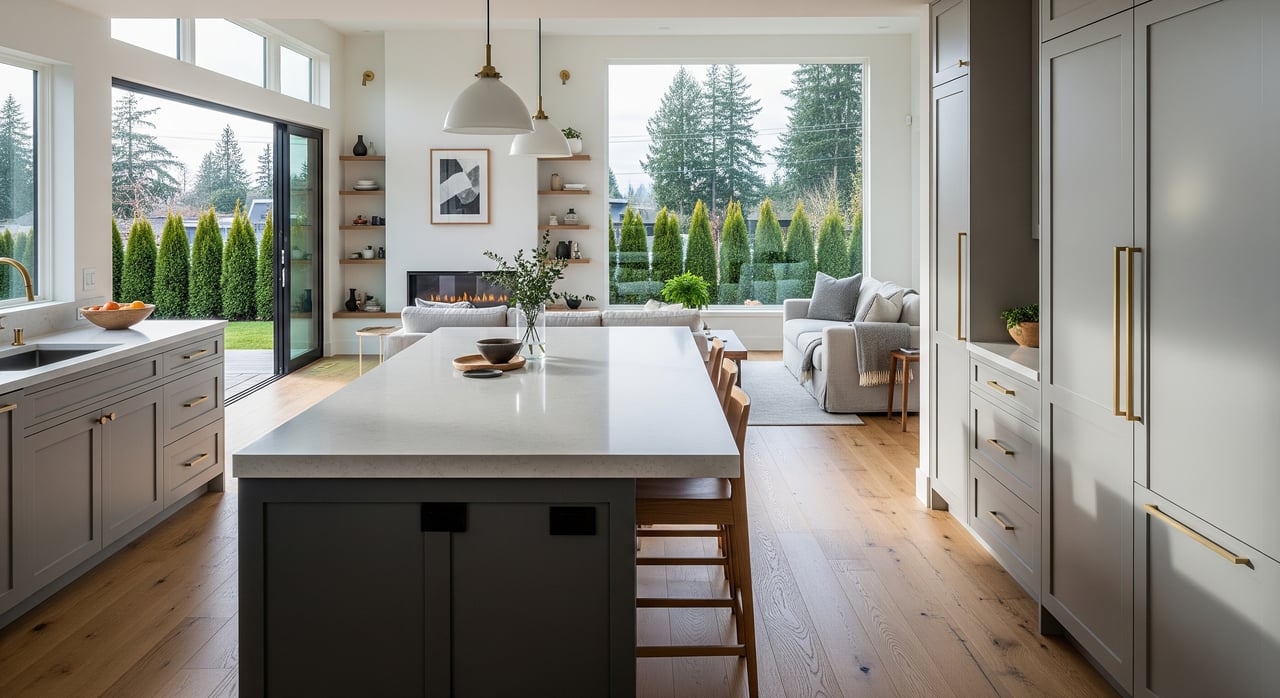
A kitchen that feels modern and functional is often the top value driver.
- Low investment refresh:
- Deep clean, declutter, and repaint in a light neutral.
- Update cabinet hardware and faucet; replace dated lighting.
- Paint or reface cabinet fronts and refresh the backsplash.
- Mid investment upgrade:
- New stainless appliances, solid-surface countertops, and a modern sink.
- Refinish or replace cabinet fronts; update resilient flooring in high-traffic zones.
- Improve task and under-cabinet lighting for a brighter feel.
- High investment remodel:
- Reconfigure layout or add an island, new cabinetry, and premium appliances.
- Consider this only if nearby comparable homes justify the finish level.
Buyer impact is high. Cosmetic to midrange updates usually balance cost and appeal best. Full gut remodels carry more risk if they exceed what nearby homes support.
Bathrooms: clean, bright, and functional
Bathrooms do not need to be flashy. They need to feel fresh and well cared for.
- Low investment refresh:
- Re-grout and reseal tile, replace dated fixtures and mirrors.
- Paint in soft neutrals and improve ventilation.
- Mid investment upgrade:
- New vanity and counters, new tile or shower surround, updated lighting.
- Replace a worn tub or shower door if needed.
- High investment rework:
- Reconfigure layout or enlarge the primary bath with luxury finishes when comps support it.
Buyer impact is moderate to high, especially for the primary bath. Moisture and plumbing surprises can add time, so build in contingency.
Living areas, floors, and paint
Maximize light, space, and a sense of move-in readiness.
- Quick wins:
- Professional cleaning, decluttering, and careful touch-ups.
- Neutral interior paint throughout for a cohesive feel.
- Replace old light fixtures; brighten bulbs and add layered lighting.
- Flooring strategy:
- Refinish hardwoods where possible, or use consistent, durable flooring across main areas.
- Replace worn carpet in bedrooms and stairs.
Fresh paint and uniform flooring deliver some of the highest perceived value per dollar. Keep colors soft and consistent to appeal to a broad pool of buyers.
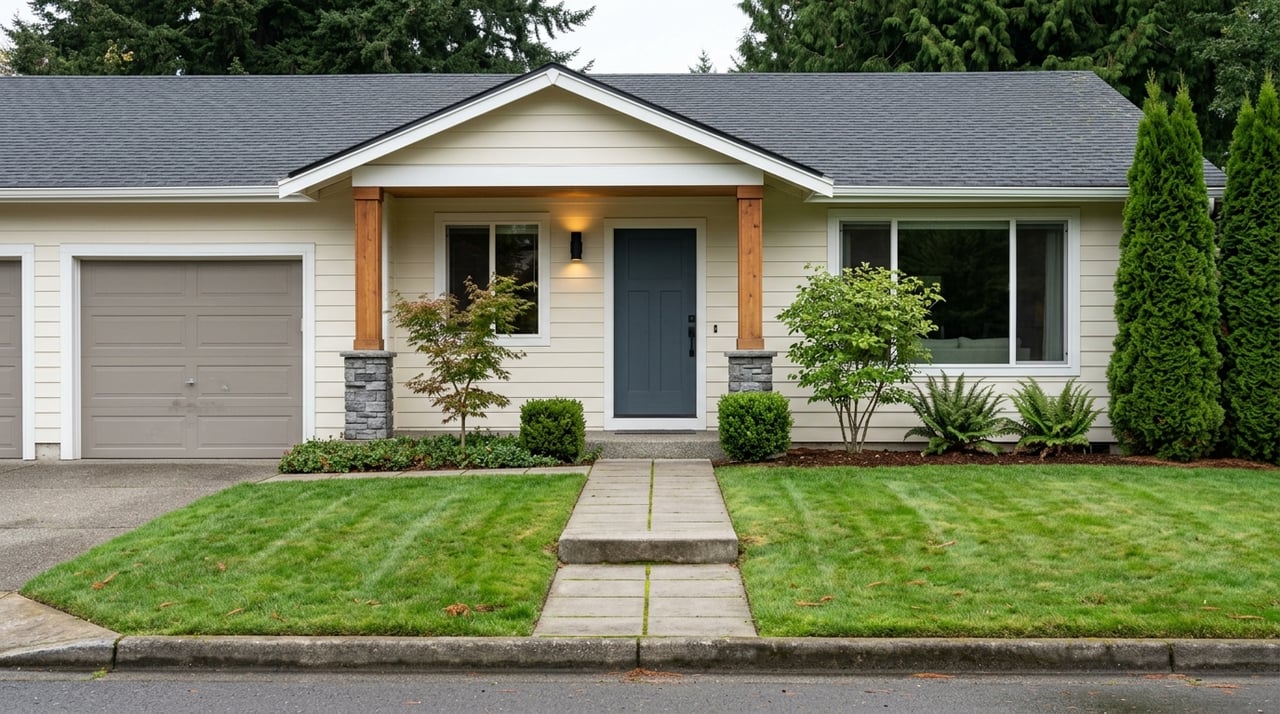
Curb appeal and exterior
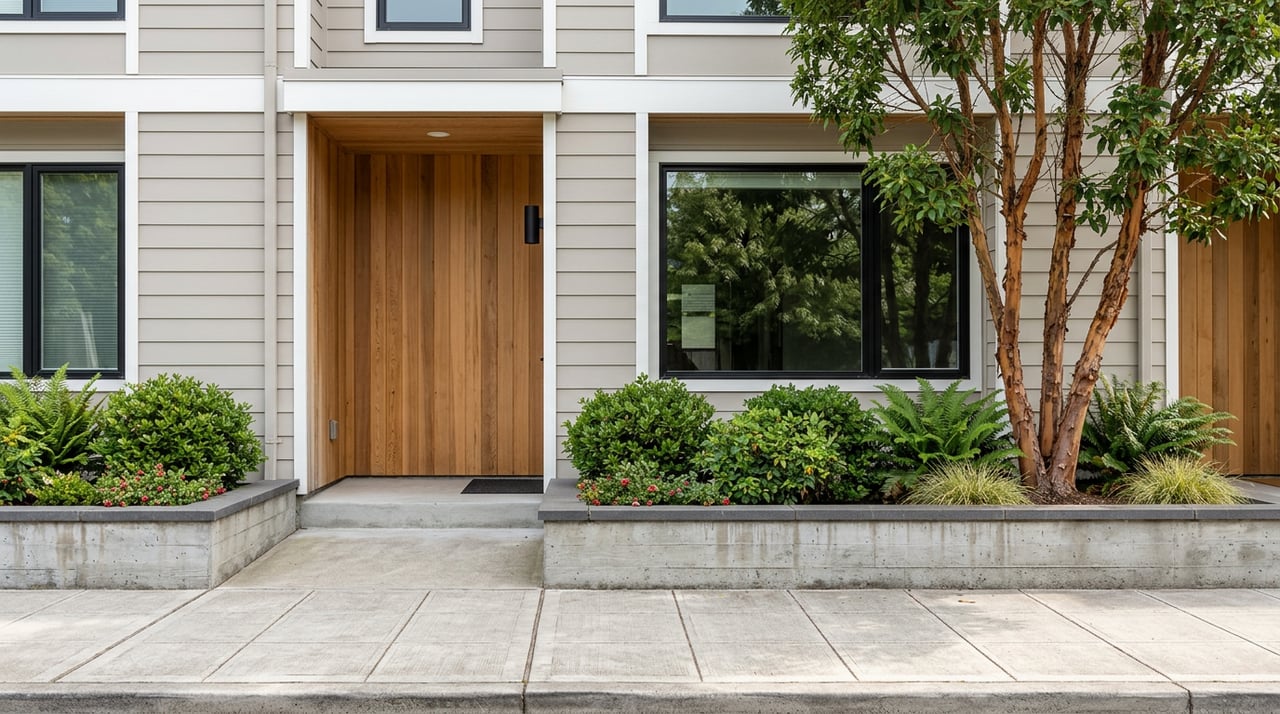
First impressions form in seconds. Small, fast projects set the tone for the showing.
- Low investment refresh:
- Tidy landscaping, prune shrubs, add mulch and seasonal plants.
- Pressure wash the siding and walks; repaint the front door.
- Update house numbers, mailbox, and exterior lights.
- Mid investment upgrades:
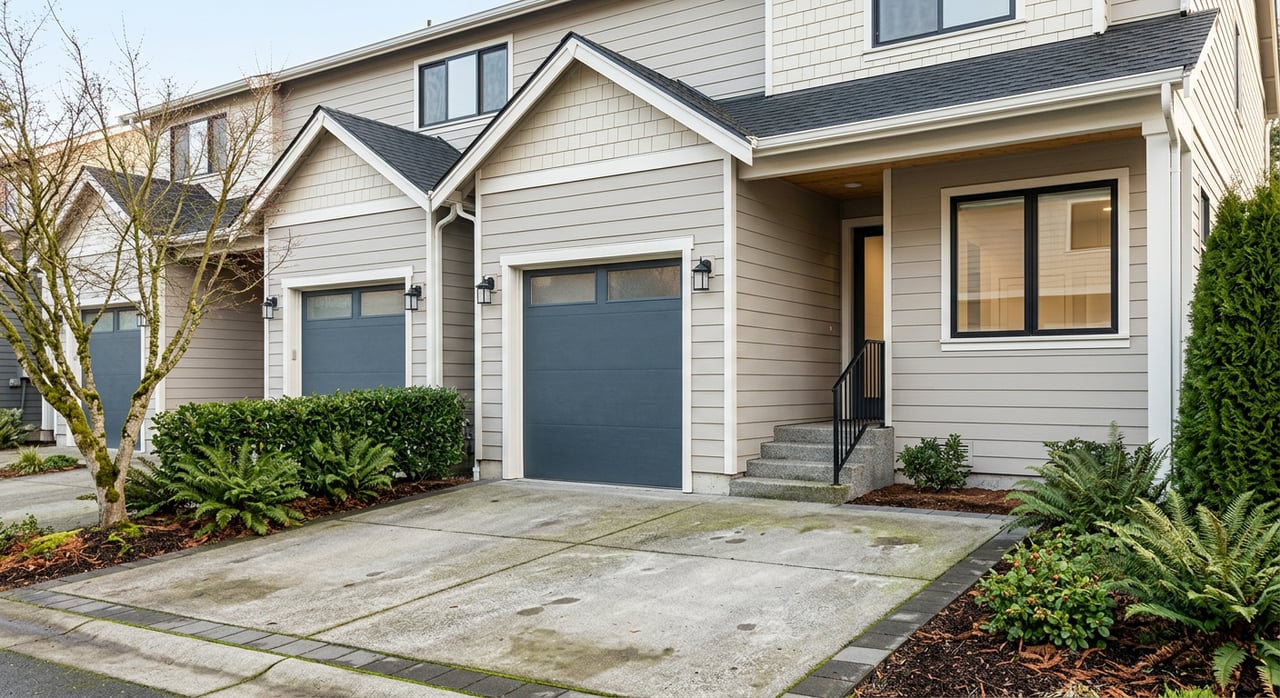
- Repair railings or steps, refresh the garage door, add path lighting.
- Simplify planting beds for easy maintenance.
- High investment projects:
- Siding or roof replacement and new outdoor living features when warranted by comps.
Landscaping, a clean façade, and a polished entry often deliver quick, cost-effective impact.
Basements, attics, and bonus spaces
Aim to maximize usable square footage while meeting local standards.
- Low to mid investment:
- Declutter, improve lighting, seal and paint for a clean look.
- Add storage systems or a flexible office nook.
- For any finished area, ensure proper egress and ceiling height.
These spaces can be great for remote work or a media area. Avoid luxury-level finishes if the rest of the home is midrange.
Systems and energy efficiency
Buyers notice when major systems are near end of life. Replacing or servicing key items can reduce inspection risk and renegotiations.
- Priorities:
- Address aging HVAC, water heaters, and visible electrical or plumbing issues.
- Provide receipts, permits, and any transferable warranties.
- Efficiency upgrades:
- Insulation, heat pumps, efficient water heaters, and upgraded windows are increasingly valued in the Puget Sound region.
- Keep documentation for disclosures and marketing. Incentives may be available through local utilities and state programs, which can lower your out-of-pocket costs.
Some system upgrades have higher upfront costs but improve buyer confidence and reduce concessions.
Budget, ROI, and timing
Use a local valuation approach to protect your ROI.
- Set your price ceiling:
- Review recent sales of similar homes in your immediate area to identify after-repair value. Your CMA should include properties with the level of finish you plan.
- Right-size your scope:
- Favor cosmetic projects with broad appeal. Add one well-chosen midrange upgrade, such as a kitchen refresh or efficient HVAC, if comps support it.
- Run the numbers:
- Estimate project costs and likely price lift, and include staging, holding time, and closing costs to understand net impact.
- Build a schedule:
- Sequence work to finish several weeks before your target list date, leaving room for professional cleaning, staging, and photography.
National remodeling benchmarks can be useful for context, but Lynnwood-specific comps and current market conditions should guide final decisions.
Permits, contractors, and local processes
Permitting needs depend on scope. Cosmetic work like painting usually does not require permits. Structural changes, electrical, plumbing, mechanical, major re-roofs, and any changes to egress or occupancy typically do. Confirm requirements with the City of Lynnwood Building Division or a licensed contractor before work begins. Plan for review timelines that can range from weeks to longer depending on scope.
Choose contractors carefully:
- Get at least three written bids with detailed scopes and timelines.
- Verify registration and insurance through Washington State Department of Labor and Industries and confirm familiarity with City of Lynnwood inspections.
- Use clear contracts with payment schedules, target completion dates, and a process for change orders.
Proper permits and documentation support a smoother sale, cleaner disclosures, and buyer confidence.
Incentives and rebates to check
Energy and electrification upgrades can be more affordable with local support.
- Review programs from Snohomish PUD for potential heat pump, appliance, or weatherization rebates.
- Explore Washington State energy programs that may reduce the cost of insulation, heat pumps, or electrification.
- Keep all rebate paperwork, Energy Star documentation, and warranties to present to buyers.
These incentives change, so verify current eligibility and amounts before you commit to a project.
Staging and launch matter
Renovations pave the way, but presentation sells the story. Professional staging and high-quality photos help buyers see how your refreshed spaces live day to day. Small touches like window treatments, scaled furniture, and tidy closets increase perceived square footage and reduce buyer objections. Virtual staging can help with marketing, yet real staging typically performs better for in-person showings.
Your next step
If you want a clear, data-backed plan for your Lynnwood sale, we can help. The Six Degrees Team blends design-led staging, contractor management, and an interest-free concierge program that fronts approved pre-listing costs, then coordinates the work so you do not have to. You get a focused scope tied to local comps, a smooth schedule, and a listing that stands out.
Ready to see what your home could sell for after the right updates? Reach out to the Six Degrees Team to schedule a free consultation and home valuation.
FAQs
What pre-sale projects add the most value in Lynnwood?
- Cosmetic updates that improve first impressions often go farthest, including kitchen and bath refreshes, neutral paint, consistent flooring, and curb appeal upgrades aligned with nearby comparable homes.
How should I set a renovation budget before listing?
- Start with a CMA to identify your neighborhood price ceiling, then prioritize low-disruption, high-appeal projects and get three contractor bids to confirm costs before locking your scope.
Do I need a permit for a kitchen refresh in Lynnwood?
- Many cosmetic updates, such as painting and hardware swaps, do not require permits, but electrical, plumbing, structural changes, and layout reconfigurations typically do, so confirm with the City of Lynnwood.
Are there rebates for energy upgrades in Snohomish County?
- Snohomish PUD and Washington State programs may offer incentives for heat pumps, efficient appliances, and weatherization; verify current eligibility and keep all documentation for buyers.
How long do pre-sale renovations usually take?
- Timelines vary by scope, but many cosmetic refreshes fit inside a few weeks, while permitted projects can take longer due to contractor availability and city review, so plan backward from your target list date.
Should I replace an aging roof or offer a credit instead?
- If the roof is near end of life, replacement can reduce inspection risk and buyer negotiation; compare the cost of replacement with likely buyer price reductions in your neighborhood CMA before deciding.